
Search results
 R30552SS
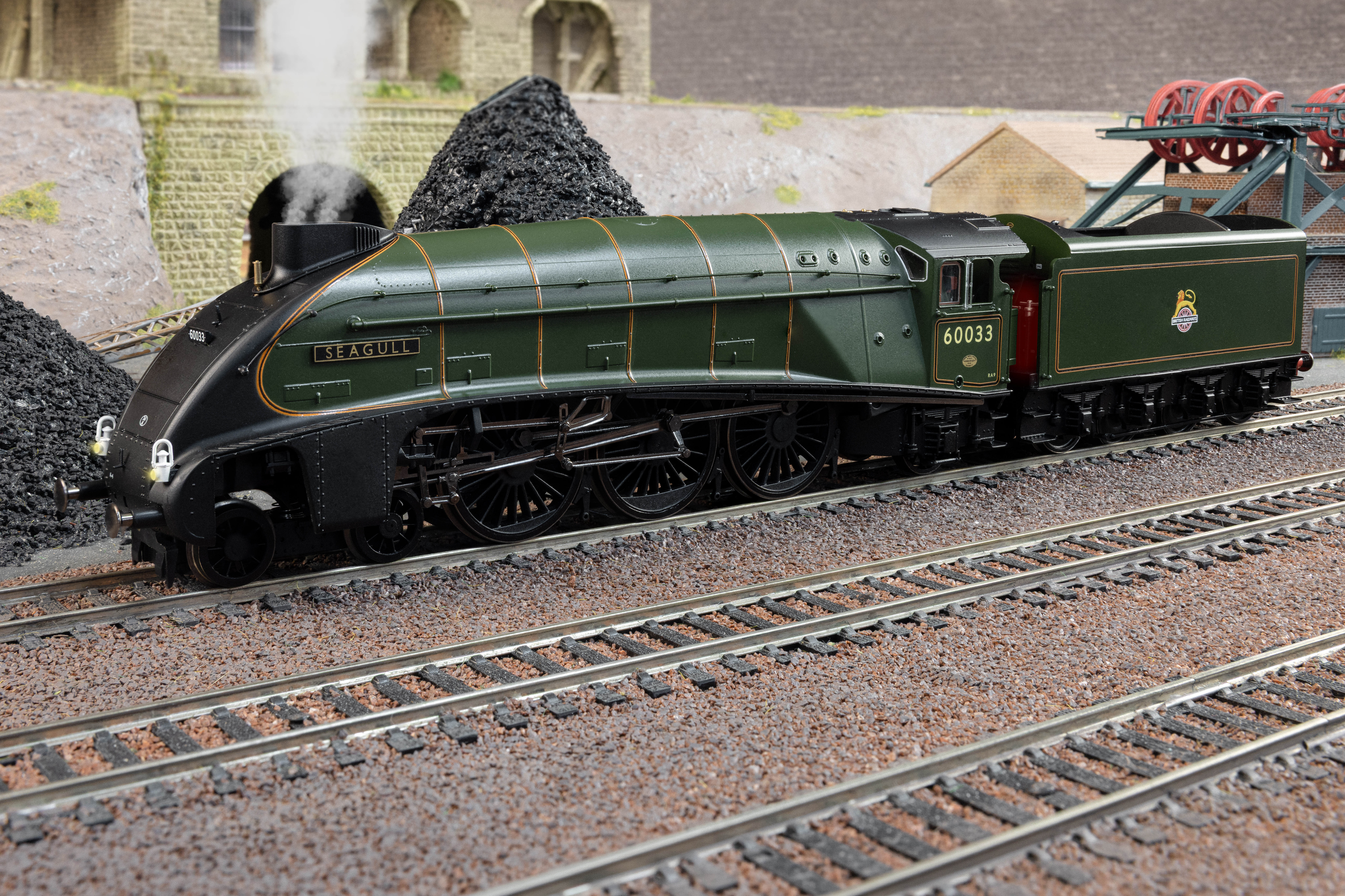
BR - Class A4 - 'Seagull' - 60033 (With Steam Generator) and Sound
 'OO' Gauge
 Released: 21/09/26
 DCC FittedDCC Sound
 Era 5
Era 5No. 60033 ‘Seagull’ was among the four new ‘A4s’ built with double chimney and blastpipe in 1938, the remainder of the class not receiving them until the 1950s.
First numbered 4902, it was also one of a batch of six new LNER ‘A4s’ to be named after birds, as Sir Nigel Gresley had a particular fondness for breeding wild birds. ‘Seagull’ was one of three ‘A4’ Class ‘Pacifics’ used for the 1948 Locomotive Exchange Trials, in which the newly formed British Railways sought to test locomotives on the routes of other former ‘Big Four’ members. No. 60033 worked between London Paddington and Plymouth, though it didn’t perform as well as the GWR locomotives that were designed for the route.
The locomotive was withdrawn in December 1962 and scrapped at Doncaster the following year. In 2026, we have given the A4 a tooling update and the model now includes the new Hornby steam generator technology, working headlights and tender lights.
Our Price:
£350.99
£350.99
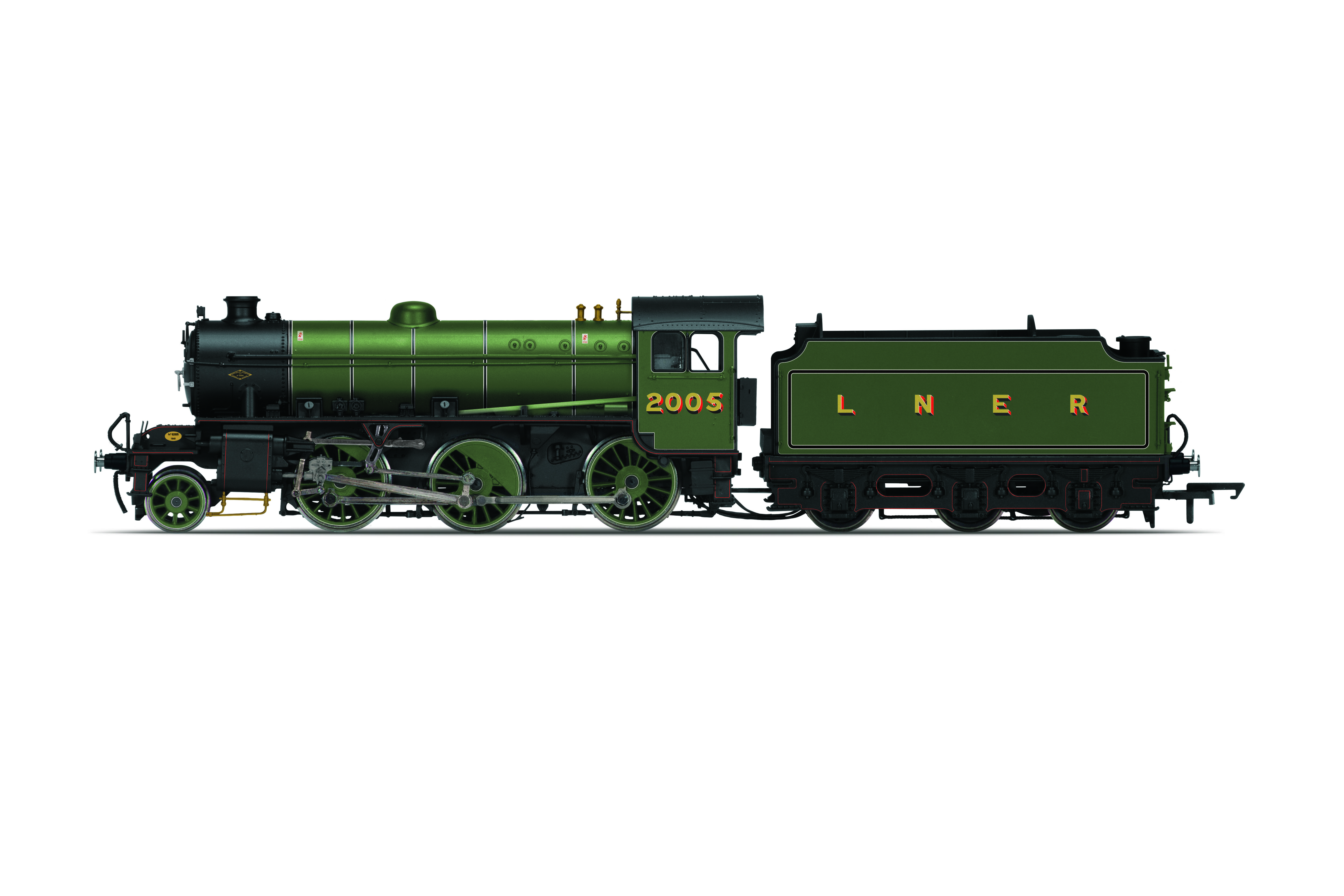
R30504LNER - K1 Class - 2005
'OO' GaugeReleased: 21/09/26DCC Ready (21 Pin)Era 11The LNER K1 Class is a must-have addition to your steam model railway. With sprung metal buffers and NEM tension lock couplings, you can upgrade to DCC control by adding a 21-pin decoder (sold seperately).
The ‘K1s’ were useful and versatile engines, working extensively across former LNER territory, but were mostly associated with north-east England and also the West Highland Line to Fort William and Mallaig.
No. 62005 was the final member of the 70-strong class to remain in service, being withdrawn from Leeds Holbeck in December 1967. Though it survives today in preservation, it was initially acquired as a source of spares for already-preserved ‘K4’ 3442. However, in 1972 it was donated to the North Eastern Locomotive Preservation Group and based at the North Yorkshire Moors Railway, where it was restored in its own right, returning to steam in 1975.
Our Price:
£196.19
£196.19
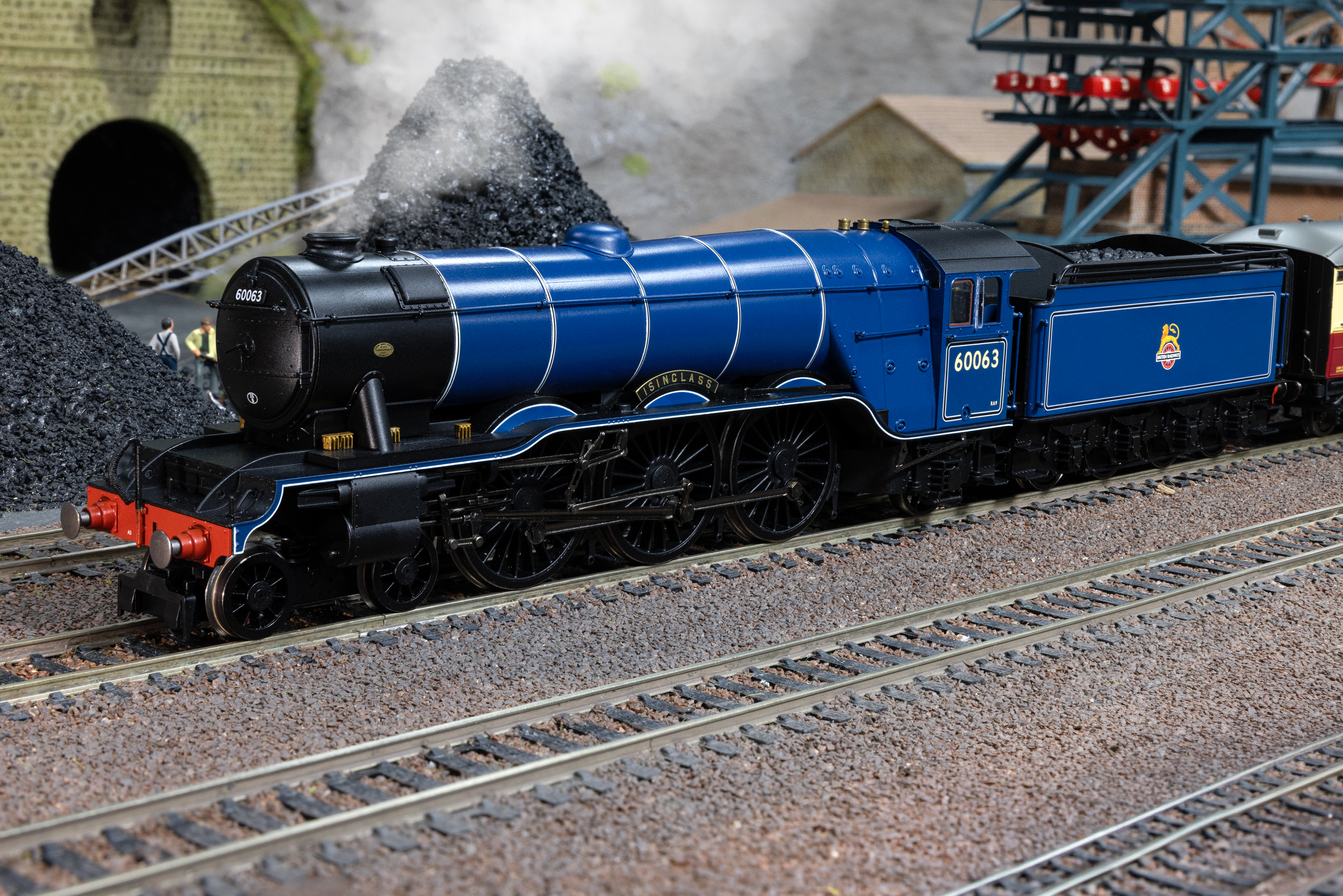
R30476SSBR (Early) - Class A3 - 60063 'Isinglass' (With Steam Generator)
Released: 17/09/26DCC FittedDCC SoundEra 4This locomotive started life as one of Gresley’s original 52 ‘A1’ Class, completed at Doncaster Works as No. 2562 in July 1925. It was one of only eight locomotives given a name from new, the remainder being named between August 1925 and the following February.
Isinglass was rebuilt as an ‘A3’ in April 1946, which included a new boiler to a higher pressure, matching 27 new ‘A3’ locomotives constructed between 1928 and 1935. Renumbered 531 in 1946, the locomotive became No. 60063 under BR and was fitted with a double-chimney in 1959 and smoke deflectors in 1961. It was withdrawn from service in June 1964 and scrapped.
Our Price:
£287.99
£287.99
 32-829B
 Ivatt 2MT 46447 BR Lined Black (Late Crest)
'OO' GaugeReleased: 09/09/26DCC Ready (8 Pin)Era 5Designed by H. G. Ivatt for the London, Midland & Scottish Railway (LMS), 128 of these Class 2 Moguls were built for light freight and passenger duties. With construction commencing in 1946, just twenty examples were built by the LMS and the remaining 108 were outshopped by British Railways following Nationalisation in 1948. The construction programme was completed in 1952 and these Mixed Traffic locomotives would go on to operate on all the BR regions, with the exception of the Southern. Light axle loadings allowed the Ivatt 2MTs to be used on most routes including branch lines, where their almost enclosed cabs made them ideal for working tender first when no turning facilities existed. The design provided the basis for the BR Standard Class 2MT 2-6-0, and the two are very similar in appearance, with the Standard version having only a modified cab and tender profile to allow unrestricted route availability across the British network.
Our Price:
£152.95
£152.95
32-831Ivatt 2MT 46521 BR Lined Green (Early Emblem)
'OO' GaugeReleased: 09/09/26DCC Ready (8 Pin)Era 4Designed by H. G. Ivatt for the London, Midland & Scottish Railway (LMS), 128 of these Class 2 Moguls were built for light freight and passenger duties. With construction commencing in 1946, just twenty examples were built by the LMS and the remaining 108 were outshopped by British Railways following Nationalisation in 1948. The construction programme was completed in 1952 and these Mixed Traffic locomotives would go on to operate on all the BR regions, with the exception of the Southern. Light axle loadings allowed the Ivatt 2MTs to be used on most routes including branch lines, where their almost enclosed cabs made them ideal for working tender first when no turning facilities existed. The design provided the basis for the BR Standard Class 2MT 2-6-0, and the two are very similar in appearance, with the Standard version having only a modified cab and tender profile to allow unrestricted route availability across the British network.
Our Price:
£152.95
£152.95
32-832vatt 2MT 46464 BR Lined Black (Early Emblem)
'OO' GaugeReleased: 09/09/26DCC Ready (8 Pin)Era 4Designed by H. G. Ivatt for the London, Midland & Scottish Railway (LMS), 128 of these Class 2 Moguls were built for light freight and passenger duties. With construction commencing in 1946, just twenty examples were built by the LMS and the remaining 108 were outshopped by British Railways following Nationalisation in 1948. The construction programme was completed in 1952 and these Mixed Traffic locomotives would go on to operate on all the BR regions, with the exception of the Southern. Light axle loadings allowed the Ivatt 2MTs to be used on most routes including branch lines, where their almost enclosed cabs made them ideal for working tender first when no turning facilities existed. The design provided the basis for the BR Standard Class 2MT 2-6-0, and the two are very similar in appearance, with the Standard version having only a modified cab and tender profile to allow unrestricted route availability across the British network.
Our Price:
£152.95
£152.95
 372-011
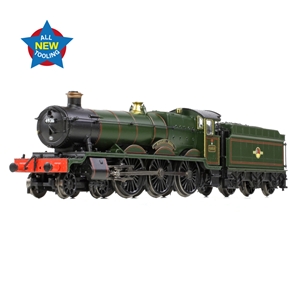
GWR 49XX 'Hall' 4936 'Kinlet Hall' BR Lined Green (Late Crest
'N' GaugeReleased: 09/09/26DCC Ready (Next18)Era 5The Great Western Railway (GWR) was famous for its variety of 4-6-0 steam locomotive classes, and none were more numerous and successful than the 49XX ‘Hall’ Class. After a long period of absence from the Graham Farish range, the ‘Hall’ makes a triumphant return for 2025 with this brand new model that has been designed from the rails up to produce a masterpiece in miniature befitting of such an iconic prototype. These mixed traffic machines were found across the Great Western network and beyond, and the new Graham Farish models will find many stablemates in the Bachmann range – from other locomotives to rolling stock and Scenecraft buildings – all suited to creating an authentic Western scene.
Our Price:
£161.45
£161.45
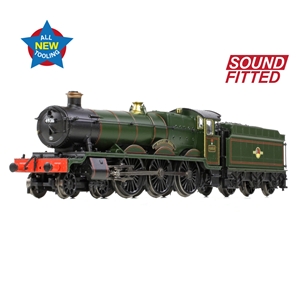
372-011SFGWR 49XX 'Hall' 4936 'Kinlet Hall' BR Lined Green (Late Crest) With DCC Sound
'N' GaugeReleased: 09/09/26DCC FittedDCC SoundEra 5The Great Western Railway (GWR) was famous for its variety of 4-6-0 steam locomotive classes, and none were more numerous and successful than the 49XX ‘Hall’ Class. After a long period of absence from the Graham Farish range, the ‘Hall’ makes a triumphant return for 2025 with this brand new model that has been designed from the rails up to produce a masterpiece in miniature befitting of such an iconic prototype. These mixed traffic machines were found across the Great Western network and beyond, and the new Graham Farish models will find many stablemates in the Bachmann range – from other locomotives to rolling stock and Scenecraft buildings – all suited to creating an authentic Western scene.
Our Price:
£254.95
£254.95
372-451GWR 'Modified Hall' 7904 'Fountains Hall' BR Lined Black (Early Emb.)
'N' GaugeReleased: 09/09/26DCC Ready (Next18)Era 4The Great Western Railway (GWR) was famous for its variety of 4-6-0 steam locomotive classes, and none were more numerous and successful than the 49XX ‘Hall’ Class. The type was later developed to create the 6959 ‘Modified Hall’ Class which continued the successes of the ‘Halls’, operating from the final years of the GWR and throughout the British Railways period until steam ended on the Western Region in December 1965 yet N scale models of these iconic machines have never been produced, until now!
Developed alongside the brand new ‘Halls’ for the Graham Farish range, these masterpieces in miniature have been created through extensive research and detailed surveys of the preserved locomotives, of which there are several. The mixed traffic machines were found across the GWR network and beyond, and the new Graham Farish models will find many stablemates in the Bachmann range – from other locomotives to rolling stock and Scenecraft buildings – all suited to creating an authentic Western scene.
Our Price:
£161.45
£161.45
372-451SFGWR 'Modified Hall' 7904 'Fountains Hall' BR Lined Black (Early Emb.) With DCC Sound
'N' GaugeReleased: 09/09/26DCC FittedDCC SoundEra 4The Great Western Railway (GWR) was famous for its variety of 4-6-0 steam locomotive classes, and none were more numerous and successful than the 49XX ‘Hall’ Class. The type was later developed to create the 6959 ‘Modified Hall’ Class which continued the successes of the ‘Halls’, operating from the final years of the GWR and throughout the British Railways period until steam ended on the Western Region in December 1965 yet N scale models of these iconic machines have never been produced, until now!
Developed alongside the brand new ‘Halls’ for the Graham Farish range, these masterpieces in miniature have been created through extensive research and detailed surveys of the preserved locomotives, of which there are several. The mixed traffic machines were found across the GWR network and beyond, and the new Graham Farish models will find many stablemates in the Bachmann range – from other locomotives to rolling stock and Scenecraft buildings – all suited to creating an authentic Western scene.
Our Price:
£254.95
£254.95
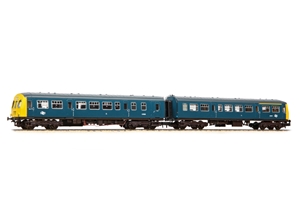
371-502AClass 101 2-Car DMU BR Blue
'N' GaugeReleased: 09/09/26DCC Ready (6 Pin)Era 7The Class 101 Diesel Multiple Units were the most numerous of all the first generation DMUs and had a long service life, remaining in use for almost half a century, and we’re delighted to present N Scale models of this iconic unit as part of the Graham Farish range.
This two-car unit depicts a Class 101 in BR Blue livery operating in North East England and is typical of much of the fleet during the British Rail era. Each of the two cars is constructed from precision moulded bodyshells with flush glazing and a high level of raised and engraved detailing, from the ventilators and rivets found on the roof to the door furniture and window frames along each bodyside. Each chassis is adorned with all the underframe components you’d see on the prototype, including the engine, transmission, battery boxes and auxiliary gear.
Our Price:
£195.45
£195.45
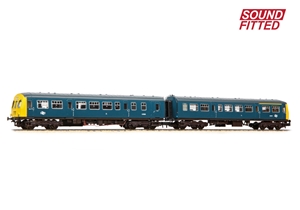
371-502ASFClass 101 2-Car DMU BR Blue With DCC Sound
'N' GaugeReleased: 09/09/26DCC FittedDCC SoundEra 7The Class 101 Diesel Multiple Units were the most numerous of all the first generation DMUs and had a long service life, remaining in use for almost half a century, and we’re delighted to present N Scale models of this iconic unit as part of the Graham Farish range.
This two-car unit depicts a Class 101 in BR Blue livery operating in North East England and is typical of much of the fleet during the British Rail era. Each of the two cars is constructed from precision moulded bodyshells with flush glazing and a high level of raised and engraved detailing, from the ventilators and rivets found on the roof to the door furniture and window frames along each bodyside. Each chassis is adorned with all the underframe components you’d see on the prototype, including the engine, transmission, battery boxes and auxiliary gear.
Our Price:
£297.45
£297.45
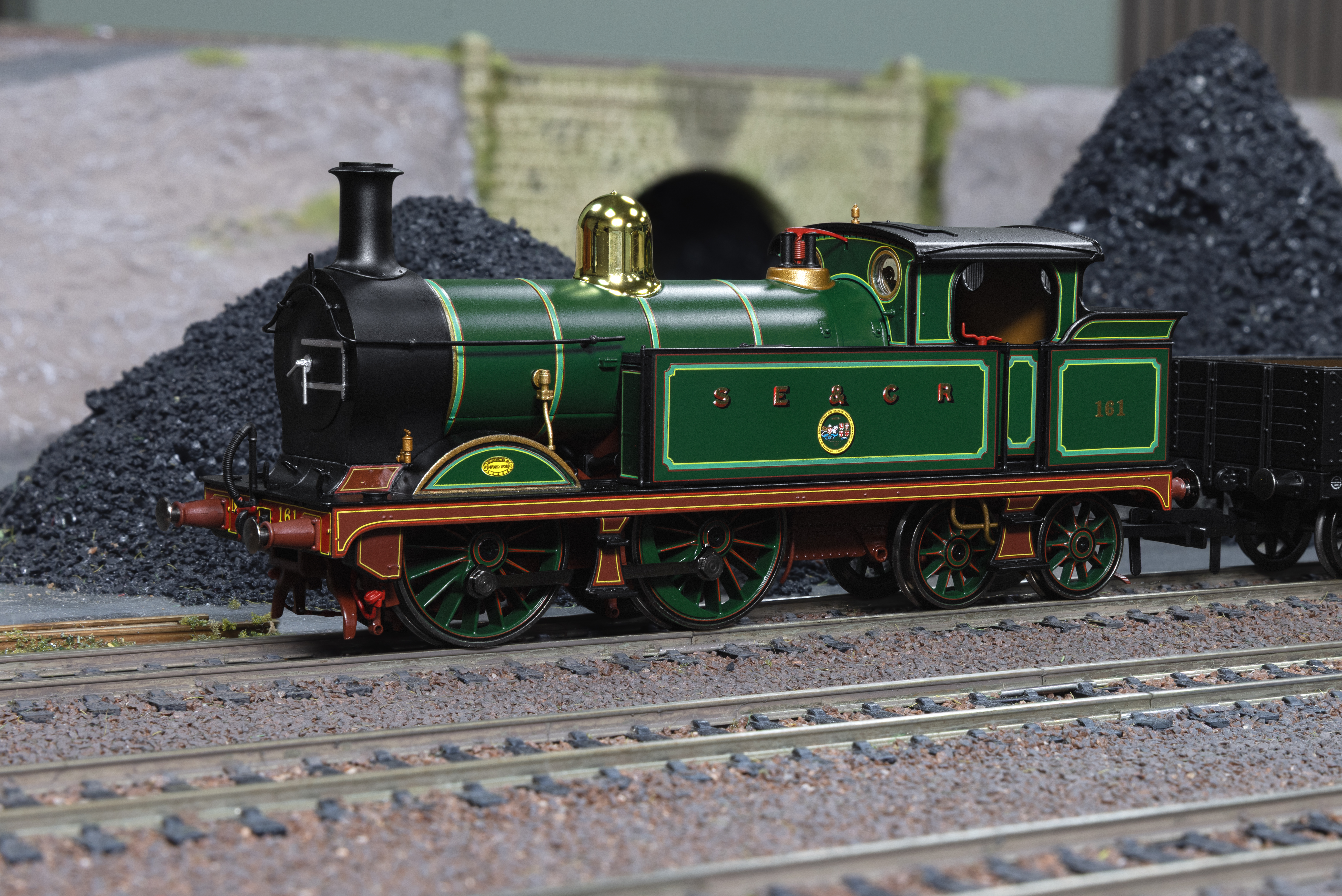
R30419SECR - H Class - 161
'OO' GaugeReleased: 02/09/26DCC Ready (8 Pin)Era 2Designed by Harry Wainwright, 66 of these locomotives were built for the South Eastern & Chatham Railway at its Ashford Works between 1904 and 1915 for London suburban and semi-fast trains. Completed in June 1909, 161 engines carried the elaborate SECR livery, like the locomotive depicted by the model, until receiving a lined olive green livery when taken into SR stock and renumbered 1161 at the Grouping in 1923.
It later became BR 31161 and was withdrawn at Tunbridge Wells West in November 1961 after a creditable 51 years and 5 months’ service
Our Price:
£143.99
£143.99
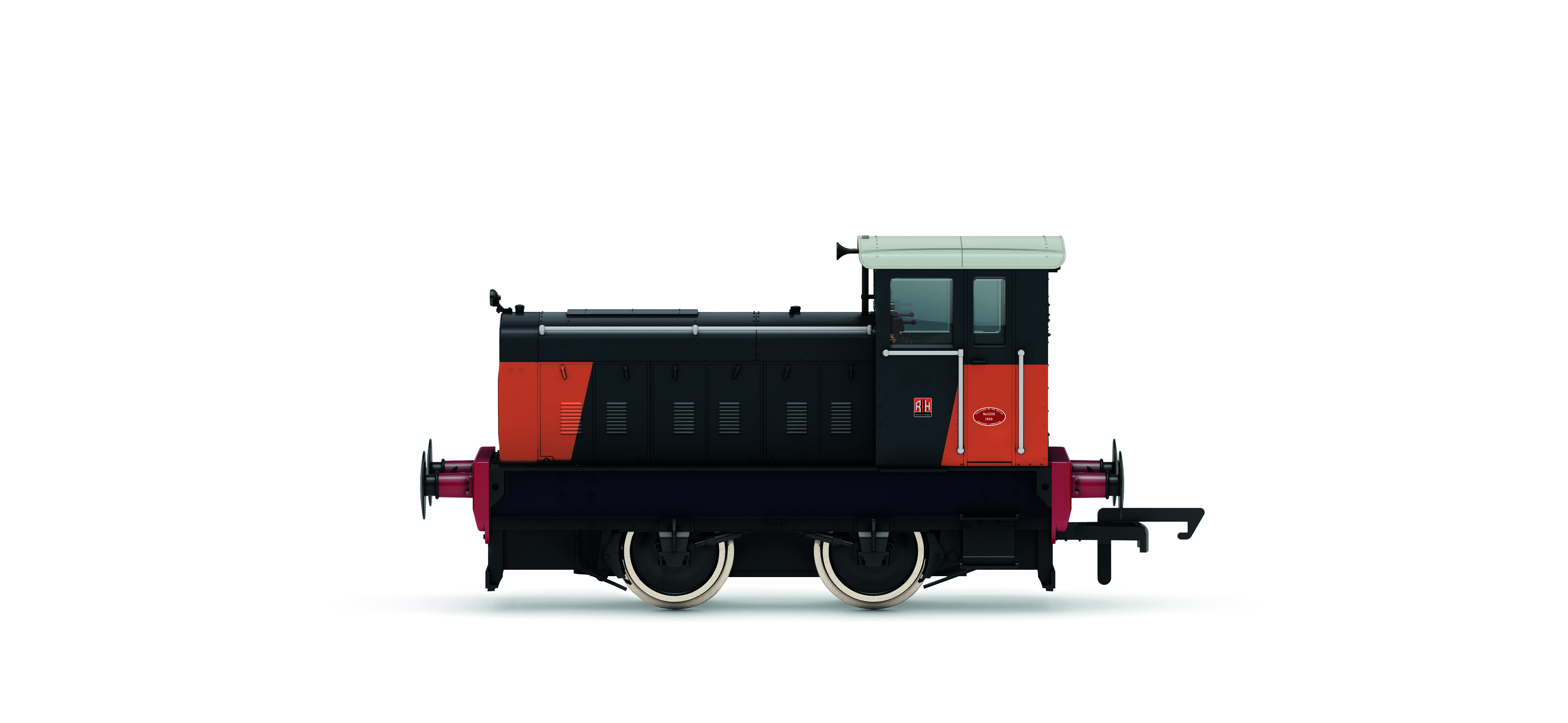
R30514Loadhaul - Ruston & Hornsby - 88DS - 97088
'OO' GaugeReleased: 02/09/26DCC Ready (6 Pin)Era 10A total of 271 of Ruston & Hornsby’s ‘88DS’ four-wheel diesels were supplied mainly to industrial sites in the UK and overseas, and were rated at 80/88hp. Built in Lincoln between 1938 and 1967, seven of these were also used by BR’s North Eastern Region on departmental duties.
This model is finished in the distinctive ‘Loadhaul’ livery of black and orange. Formed in 1994 as part of the privatisation of BR, Loadhaul Ltd became part of EWS and subsequently DB Cargo.
Our Price:
£112.49
£112.49
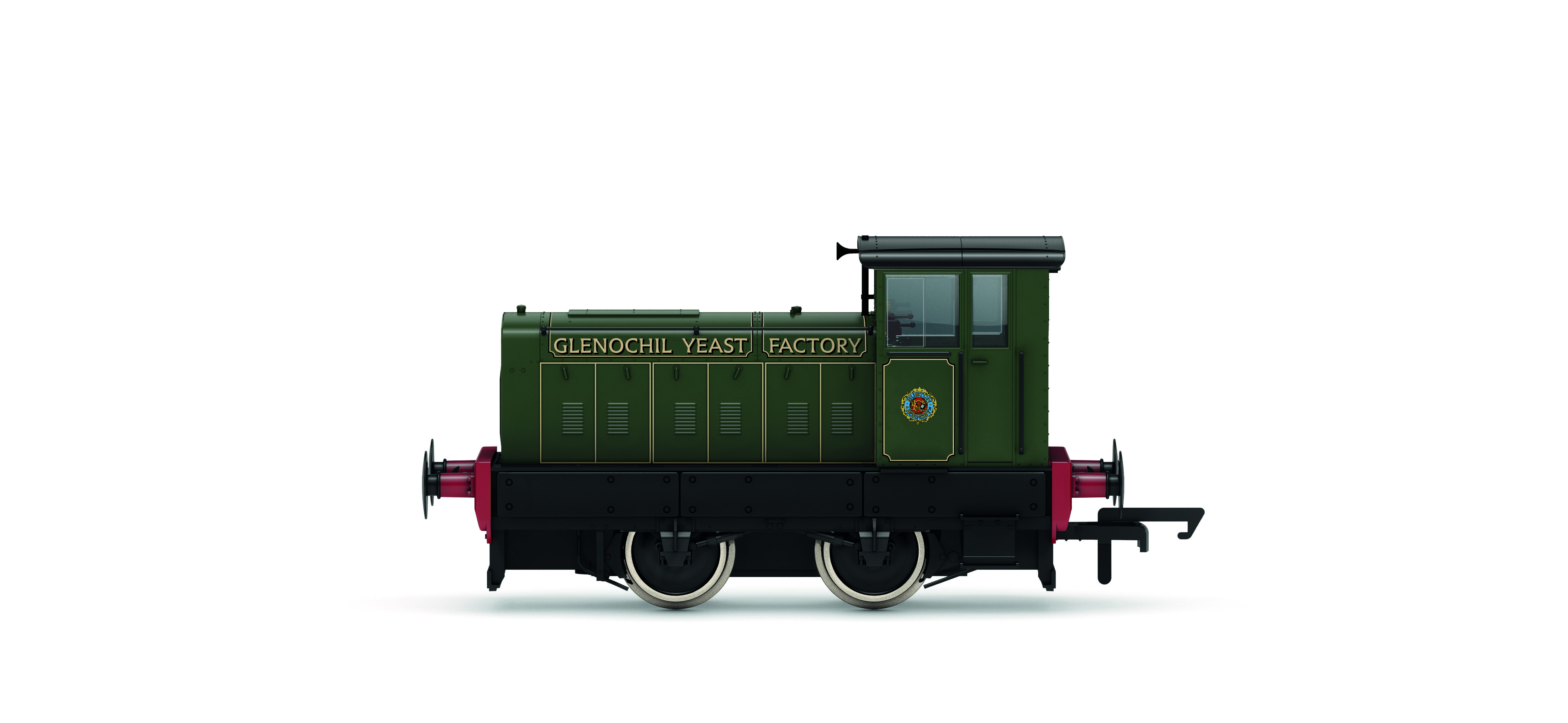
R30515Glenochil Yeast Factory - Ruston & Hornsby - 88DS
'OO' GaugeReleased: 02/09/26DCC Ready (6 Pin)Era 4Display the bold logo of Glenochil Yeast Factory on this 88DS model locomotive. This diesel features NEM tension lock couplings and a lovely green livery.
The 80/88hp Ruston & Hornsby 4wDM was a reliable machine and ideal for the modest demands of smaller industrial concerns. Several found use in Scotland shunting rail-connected whisky distillery yards – in this case the yeast factory alongside the distillery of the same name, located just south of Menstrie in Clackmannanshire, where sidings connected with the Cambus-Alva branch line.
Works No. 245030 was built in 1947 and worked the factory yard until 1969, when it was sold to William Kerr Ltd in Stirling. It moved to Babcock & Wilcox Ltd., boiler makers in Renfrew, in 1971, where it remained until about 1978, then presumably scrapped.
Our Price:
£112.49
£112.49
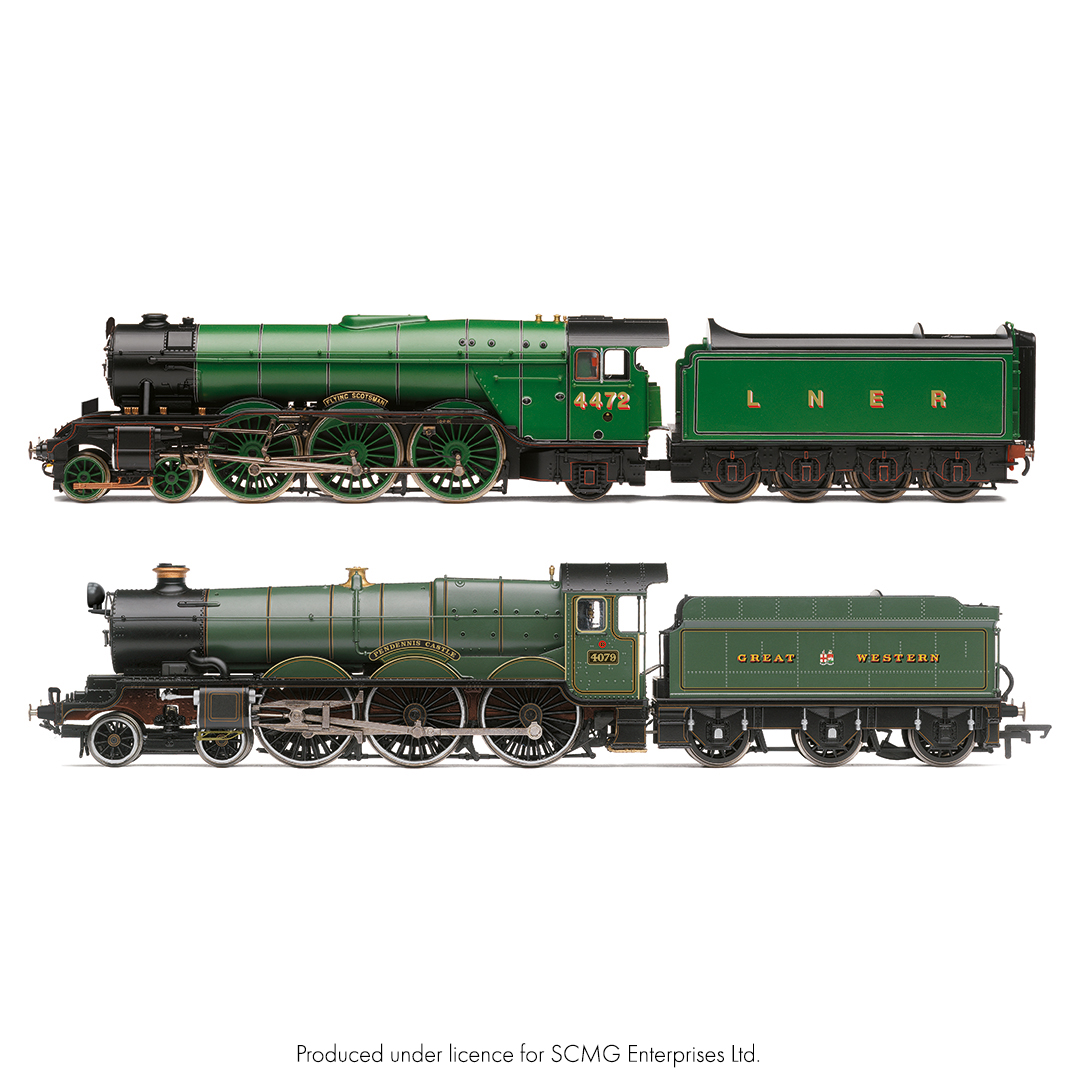
R30465LNER - Flying Scotsman & GWR - Pendennis Castle (Australian Tour) - Train Pack
'OO' GaugeReleased: 02/09/26DCC Ready (21 Pin)Era 7/8n 1988, Australia celebrated its bicentenary and, to mark the occasion, the world-famous ‘Flying Scotsman’ was invited to travel from Britain to take part in a series of railtours that were part of the ‘Aus Steam 88’ Festival, arriving in October that year.
Already resident in Western Australia since 1977, in the care of the Pilbara Railway Historical Society, former GWR ‘Castle’ Class 4-6-0 ‘Pendennis Castle’ was moved by road to Perth in early 1989 to operate alongside its one-time rival ‘A3’ Class ‘Pacific’. This unlikely reunion occurred almost 9,000 miles from where a week-long locomotive exchange once took place between the LNER and GWR, in April 1925.
This LNER and GWR Train Pack celebrates that landmark event in Australia 37 years ago in 1989. Featuring OO gauge locomotive model replicas of 'Flying Scotsman' and 'Pendennis Castle'
Our Price:
£449.99
£449.99
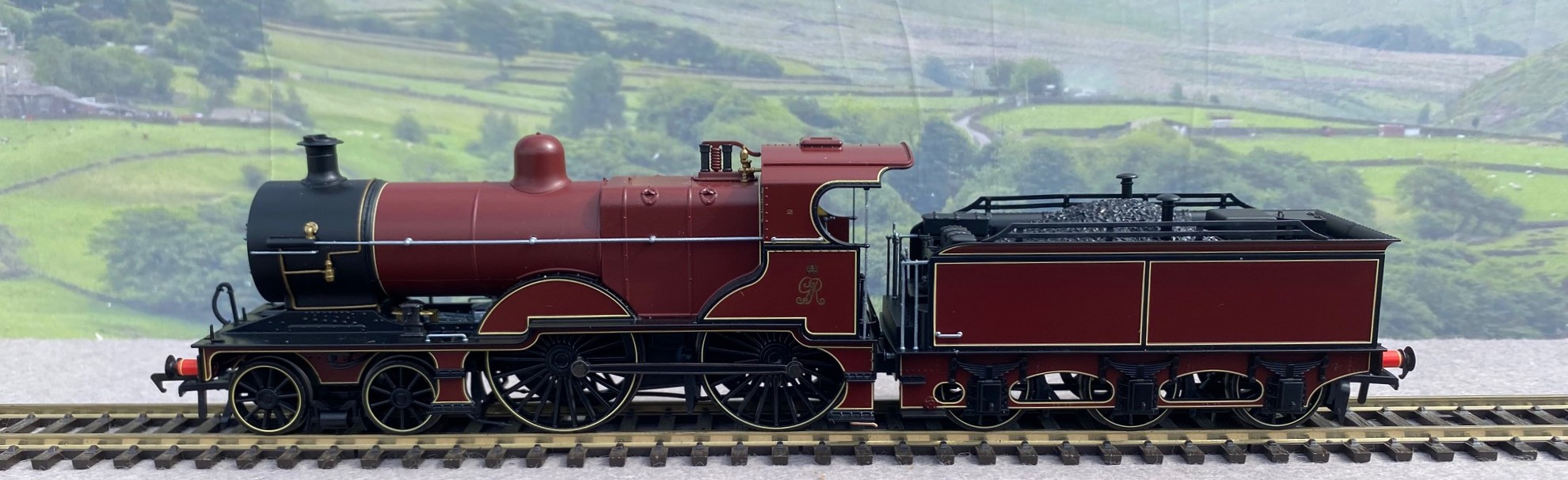
 974001
MR 483 No.502 Midland Railway Royal Train
'OO' GaugeReleased: 19/08/26DCC Ready (21 Pin)Era 2The Midland Railway 483 Class 4-4-0 was a class of steam-driven locomotive designed by Henry Fowler for passenger work on the Midland Railway. The class were nominally "rebuilds" of various earlier classes designed by Samuel W. Johnson. This design formed the basis for the later LMS Class 2P 4-4-0.
Construction of the first batch was authorised by Midland Railway Order O/3942 dated 21 June 1911: Four more batches were authorised; in 1912, 1913, 1914 and 1922. The London, Midland and Scottish Railway (LMS) inherited these locomotives at the Grouping of the railways in 1923, completing the last of these rebuilds in 1924. Some of them entered British Railways (BR) ownership in 1948 but all were scrapped from 1950 to 1959.
Our Price:
£178.45
£178.45
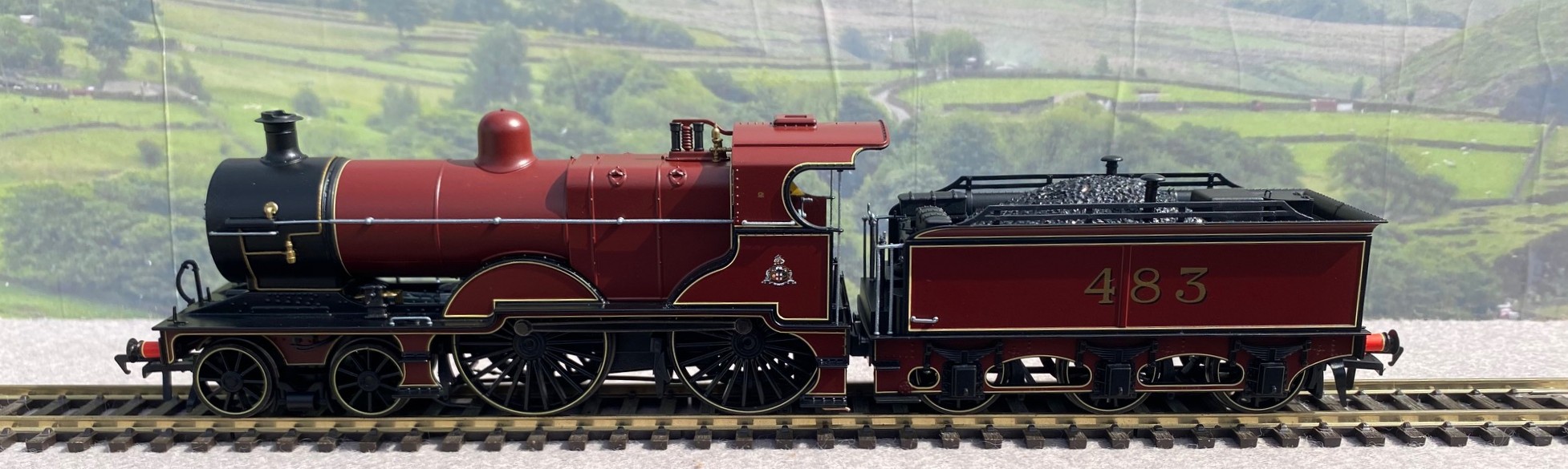
974002MR 483 No.483 Midland Railway Crimson
'OO' GaugeReleased: 19/08/26DCC Ready (21 Pin)Era 2The Midland Railway 483 Class 4-4-0 was a class of steam-driven locomotive designed by Henry Fowler for passenger work on the Midland Railway. The class were nominally "rebuilds" of various earlier classes designed by Samuel W. Johnson. This design formed the basis for the later LMS Class 2P 4-4-0.
Construction of the first batch was authorised by Midland Railway Order O/3942 dated 21 June 1911: Four more batches were authorised; in 1912, 1913, 1914 and 1922. The London, Midland and Scottish Railway (LMS) inherited these locomotives at the Grouping of the railways in 1923, completing the last of these rebuilds in 1924. Some of them entered British Railways (BR) ownership in 1948 but all were scrapped from 1950 to 1959.
Our Price:
£178.45
£178.45
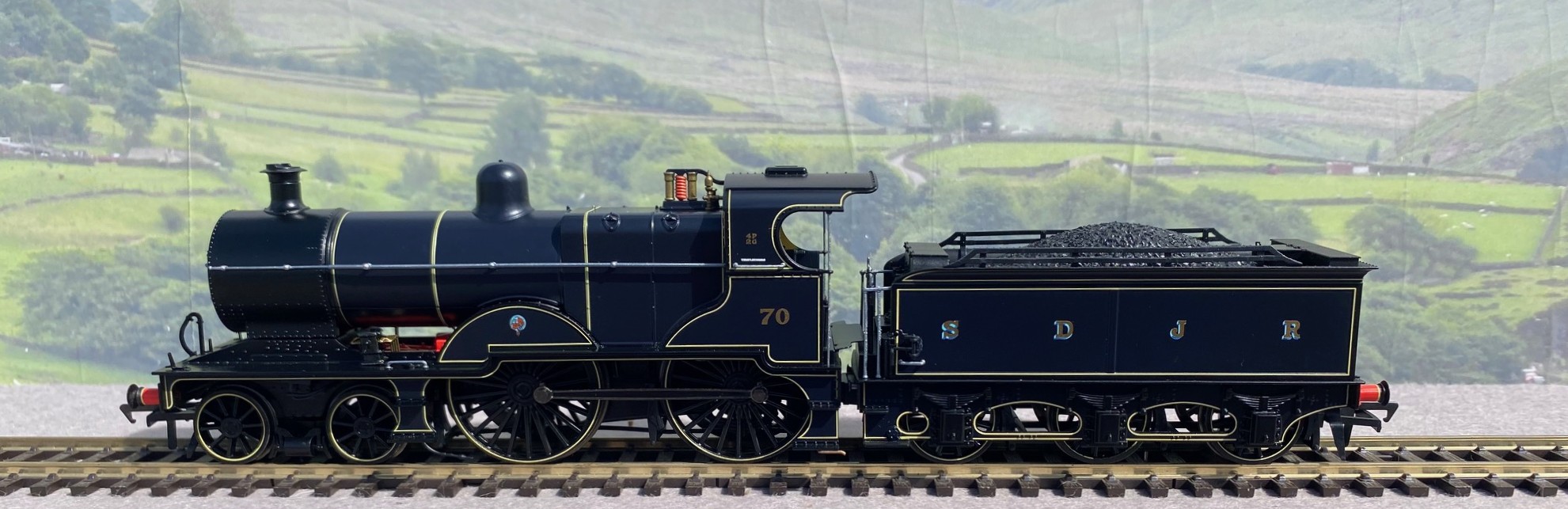
974004MR 483 No.70 SDJR Blue
'OO' GaugeReleased: 19/08/26DCC Ready (21 Pin)Era 2The Midland Railway 483 Class 4-4-0 was a class of steam-driven locomotive designed by Henry Fowler for passenger work on the Midland Railway. The class were nominally "rebuilds" of various earlier classes designed by Samuel W. Johnson. This design formed the basis for the later LMS Class 2P 4-4-0.
Construction of the first batch was authorised by Midland Railway Order O/3942 dated 21 June 1911: Four more batches were authorised; in 1912, 1913, 1914 and 1922. The London, Midland and Scottish Railway (LMS) inherited these locomotives at the Grouping of the railways in 1923, completing the last of these rebuilds in 1924. Some of them entered British Railways (BR) ownership in 1948 but all were scrapped from 1950 to 1959.
Our Price:
£178.45
£178.45
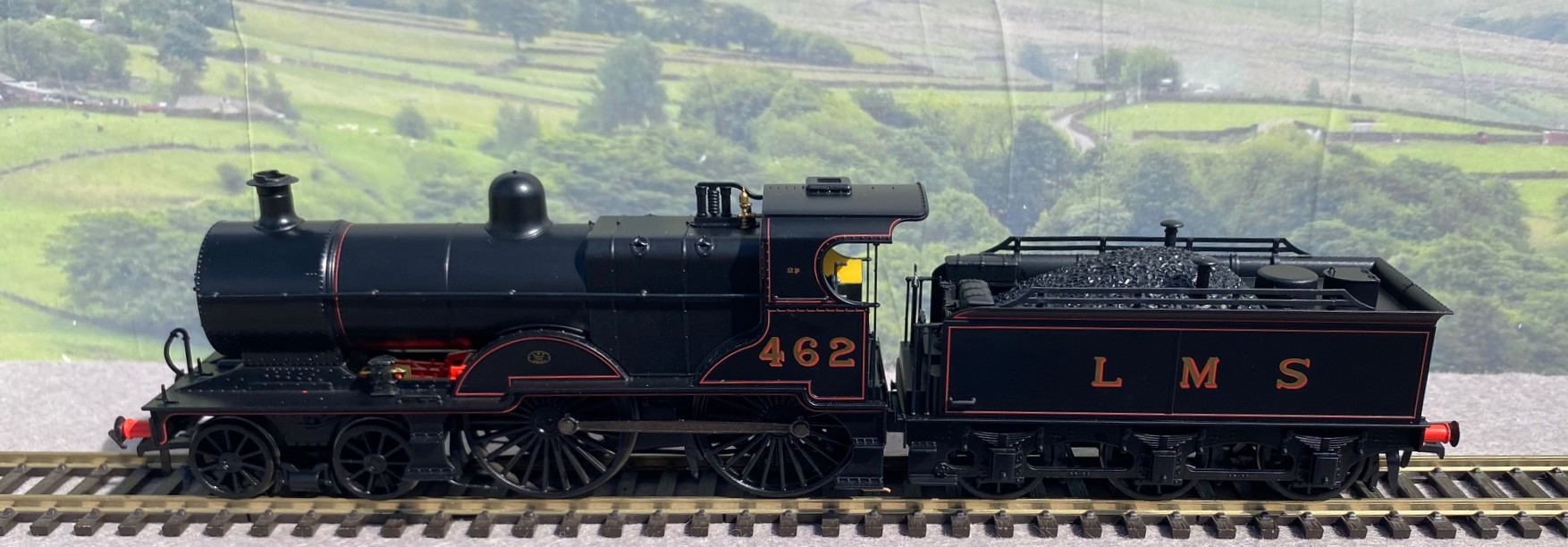
974007MR 483 No.462 LMS Lined Black
'OO' GaugeReleased: 19/08/26DCC Ready (21 Pin)Era 3The Midland Railway 483 Class 4-4-0 was a class of steam-driven locomotive designed by Henry Fowler for passenger work on the Midland Railway. The class were nominally "rebuilds" of various earlier classes designed by Samuel W. Johnson. This design formed the basis for the later LMS Class 2P 4-4-0.
Construction of the first batch was authorised by Midland Railway Order O/3942 dated 21 June 1911: Four more batches were authorised; in 1912, 1913, 1914 and 1922. The London, Midland and Scottish Railway (LMS) inherited these locomotives at the Grouping of the railways in 1923, completing the last of these rebuilds in 1924. Some of them entered British Railways (BR) ownership in 1948 but all were scrapped from 1950 to 1959.
Our Price:
£178.45
£178.45
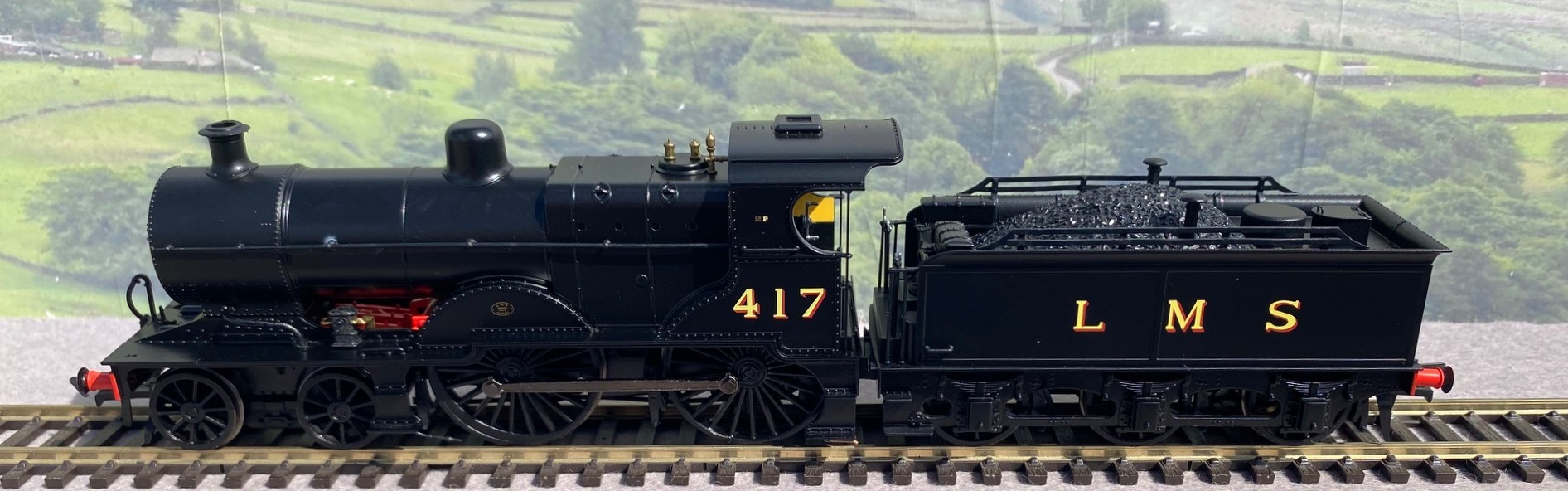
974008MR 483 No.417 LMS Wartime Unlined Black
'OO' GaugeReleased: 19/08/26DCC Ready (21 Pin)Era 3The Midland Railway 483 Class 4-4-0 was a class of steam-driven locomotive designed by Henry Fowler for passenger work on the Midland Railway. The class were nominally "rebuilds" of various earlier classes designed by Samuel W. Johnson. This design formed the basis for the later LMS Class 2P 4-4-0.
Construction of the first batch was authorised by Midland Railway Order O/3942 dated 21 June 1911: Four more batches were authorised; in 1912, 1913, 1914 and 1922. The London, Midland and Scottish Railway (LMS) inherited these locomotives at the Grouping of the railways in 1923, completing the last of these rebuilds in 1924. Some of them entered British Railways (BR) ownership in 1948 but all were scrapped from 1950 to 1959.
Our Price:
£178.45
£178.45
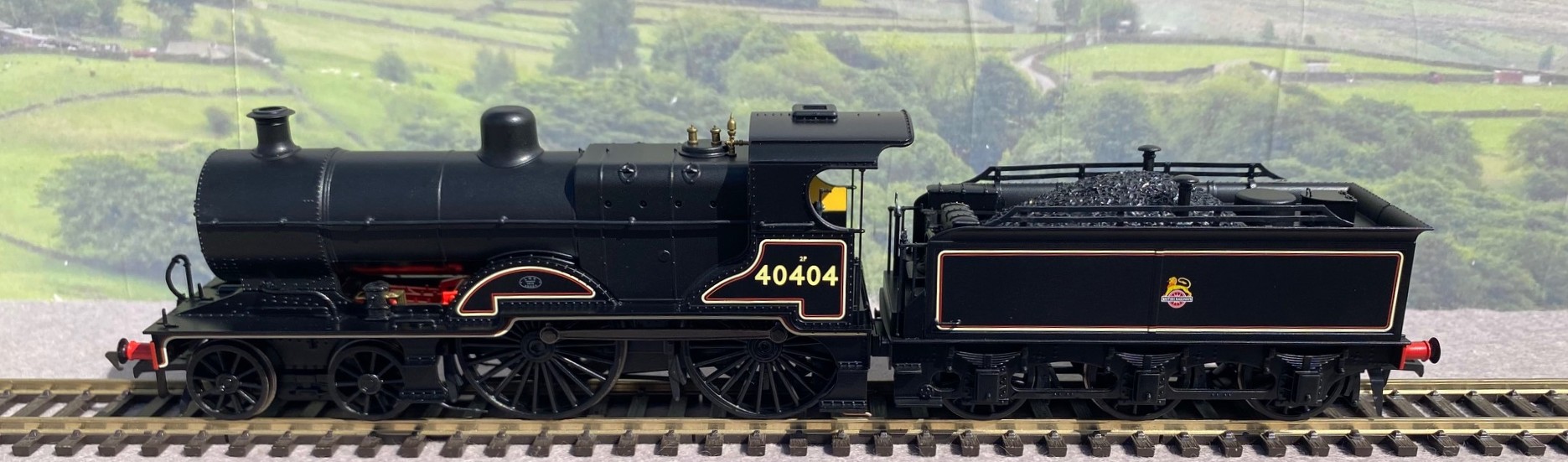
974011MR 483 No.40404 BR Lined Early Crest
'OO' GaugeReleased: 19/08/26DCC Ready (21 Pin)Era 4The Midland Railway 483 Class 4-4-0 was a class of steam-driven locomotive designed by Henry Fowler for passenger work on the Midland Railway. The class were nominally "rebuilds" of various earlier classes designed by Samuel W. Johnson. This design formed the basis for the later LMS Class 2P 4-4-0.
Construction of the first batch was authorised by Midland Railway Order O/3942 dated 21 June 1911: Four more batches were authorised; in 1912, 1913, 1914 and 1922. The London, Midland and Scottish Railway (LMS) inherited these locomotives at the Grouping of the railways in 1923, completing the last of these rebuilds in 1924. Some of them entered British Railways (BR) ownership in 1948 but all were scrapped from 1950 to 1959.
Our Price:
£178.45
£178.45
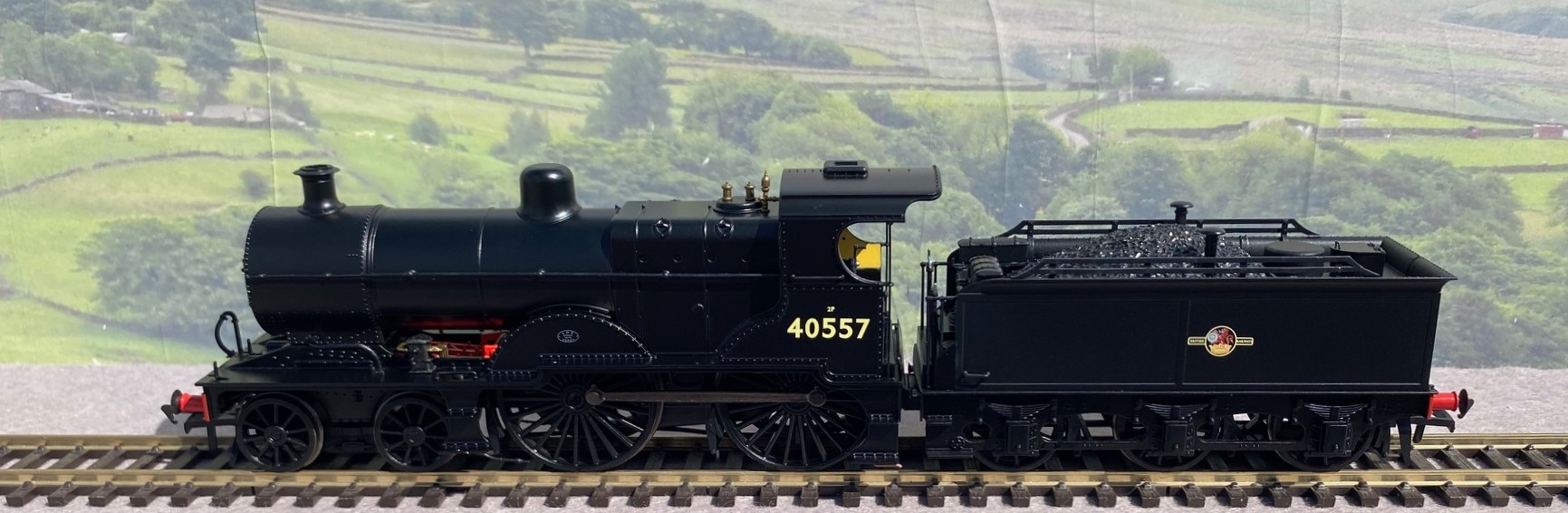
974012MR 483 No.40557 BR Late Crest
'OO' GaugeReleased: 19/08/26DCC Ready (21 Pin)Era 5The Midland Railway 483 Class 4-4-0 was a class of steam-driven locomotive designed by Henry Fowler for passenger work on the Midland Railway. The class were nominally "rebuilds" of various earlier classes designed by Samuel W. Johnson. This design formed the basis for the later LMS Class 2P 4-4-0.
Construction of the first batch was authorised by Midland Railway Order O/3942 dated 21 June 1911: Four more batches were authorised; in 1912, 1913, 1914 and 1922. The London, Midland and Scottish Railway (LMS) inherited these locomotives at the Grouping of the railways in 1923, completing the last of these rebuilds in 1924. Some of them entered British Railways (BR) ownership in 1948 but all were scrapped from 1950 to 1959.
Our Price:
£178.45
£178.45
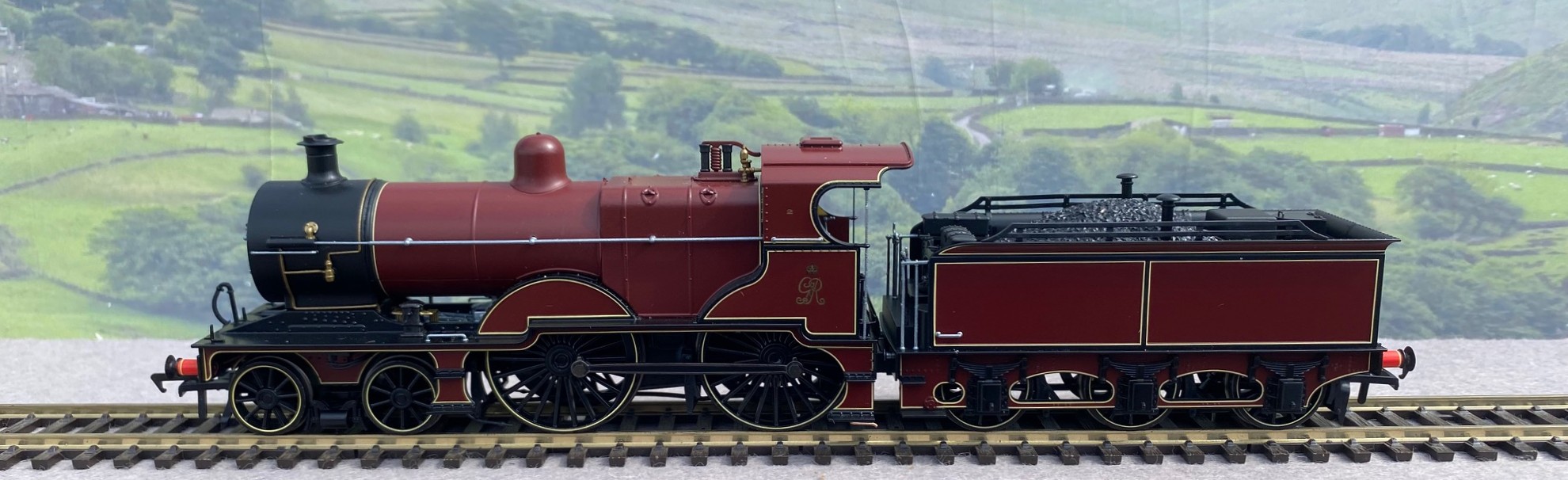
974501MR 483 No.502 Midland Railway Royal Train With DCC Sound Fitted
'OO' GaugeReleased: 19/08/26DCC FittedDCC SoundEra 2The Midland Railway 483 Class 4-4-0 was a class of steam-driven locomotive designed by Henry Fowler for passenger work on the Midland Railway. The class were nominally "rebuilds" of various earlier classes designed by Samuel W. Johnson. This design formed the basis for the later LMS Class 2P 4-4-0.
Construction of the first batch was authorised by Midland Railway Order O/3942 dated 21 June 1911: Four more batches were authorised; in 1912, 1913, 1914 and 1922. The London, Midland and Scottish Railway (LMS) inherited these locomotives at the Grouping of the railways in 1923, completing the last of these rebuilds in 1924. Some of them entered British Railways (BR) ownership in 1948 but all were scrapped from 1950 to 1959.
Our Price:
£271.95
£271.95
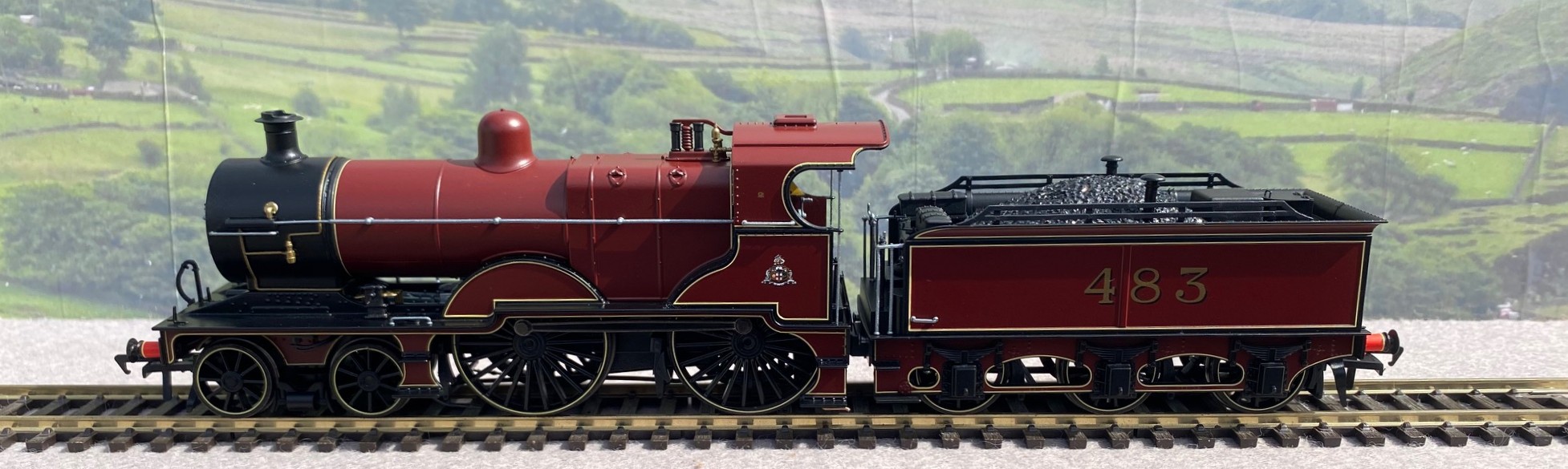
974502MR 483 No.483 Midland Railway Crimson With DCC Sound Fitted
'OO' GaugeReleased: 19/08/26DCC FittedDCC SoundEra 2The Midland Railway 483 Class 4-4-0 was a class of steam-driven locomotive designed by Henry Fowler for passenger work on the Midland Railway. The class were nominally "rebuilds" of various earlier classes designed by Samuel W. Johnson. This design formed the basis for the later LMS Class 2P 4-4-0.
Construction of the first batch was authorised by Midland Railway Order O/3942 dated 21 June 1911: Four more batches were authorised; in 1912, 1913, 1914 and 1922. The London, Midland and Scottish Railway (LMS) inherited these locomotives at the Grouping of the railways in 1923, completing the last of these rebuilds in 1924. Some of them entered British Railways (BR) ownership in 1948 but all were scrapped from 1950 to 1959.
Our Price:
£271.95
£271.95
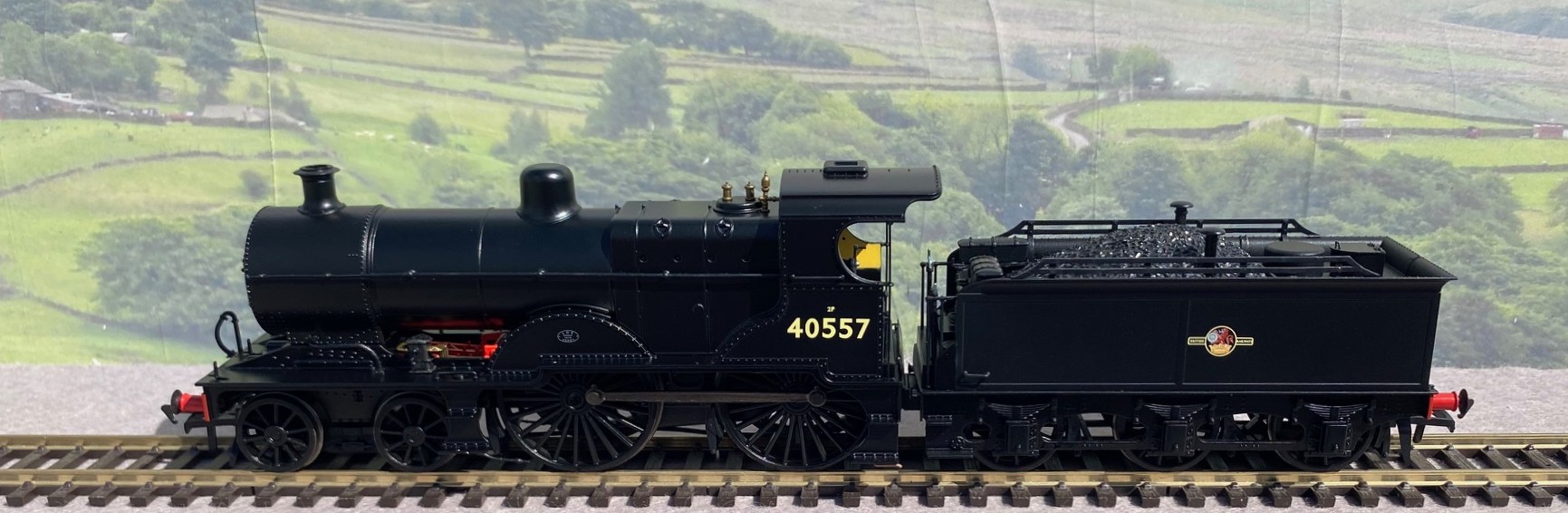
974512MR 483 No.40557 BR Late Crest With DCC Sound Fitted
'OO' GaugeReleased: 19/08/26DCC FittedDCC SoundEra 5The Midland Railway 483 Class 4-4-0 was a class of steam-driven locomotive designed by Henry Fowler for passenger work on the Midland Railway. The class were nominally "rebuilds" of various earlier classes designed by Samuel W. Johnson. This design formed the basis for the later LMS Class 2P 4-4-0.
Construction of the first batch was authorised by Midland Railway Order O/3942 dated 21 June 1911: Four more batches were authorised; in 1912, 1913, 1914 and 1922. The London, Midland and Scottish Railway (LMS) inherited these locomotives at the Grouping of the railways in 1923, completing the last of these rebuilds in 1924. Some of them entered British Railways (BR) ownership in 1948 but all were scrapped from 1950 to 1959.
Our Price:
£271.95
£271.95
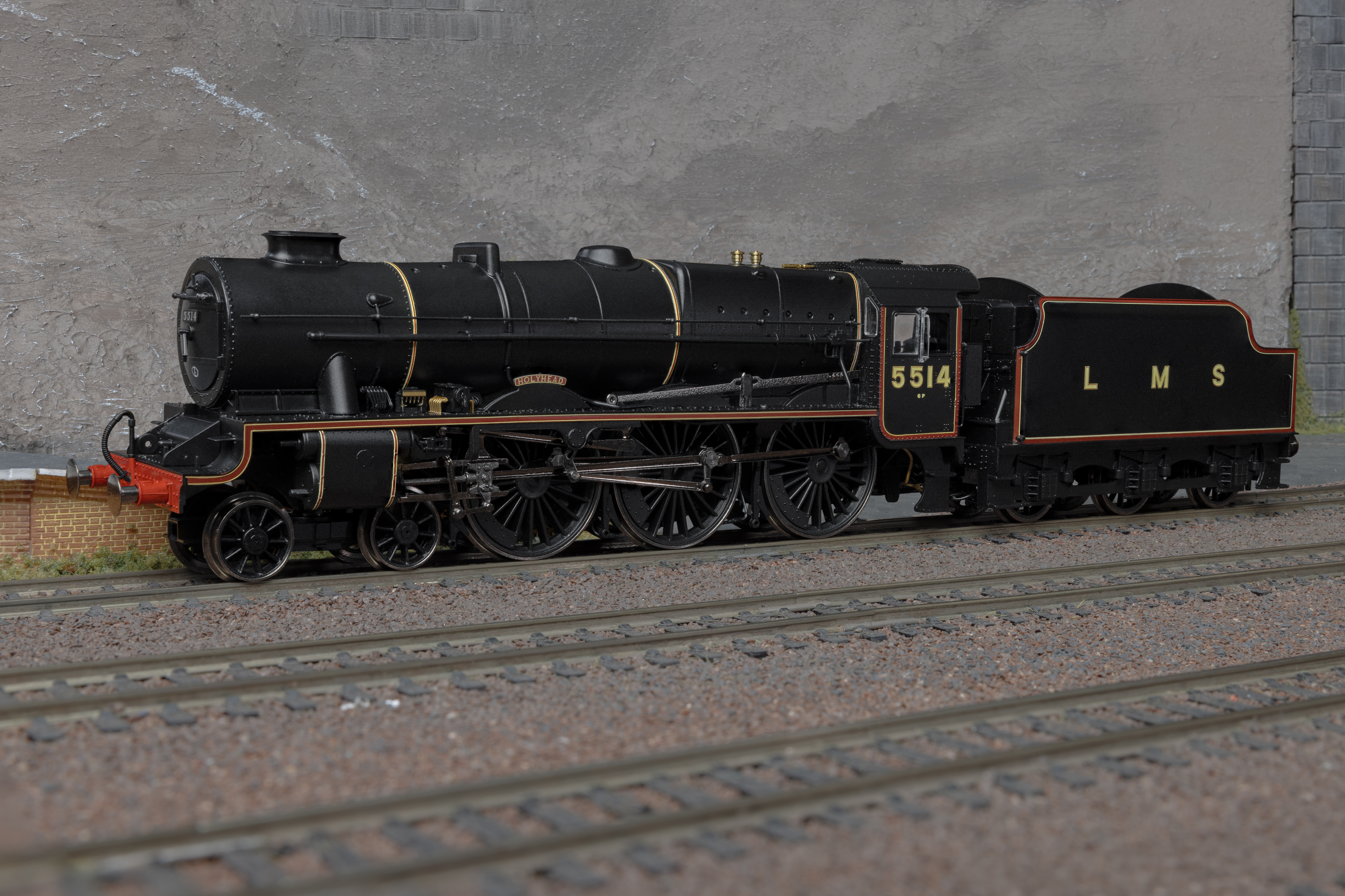
R30414LMS - Patriot Class - 'Holyhead' 5514
'OO' GaugeReleased: 14/08/26DCC Ready (21 Pin)Era 3Henry Fowler designed the ‘Patriot’ 4-6-0 for the LMS as an upgrade of the LNWR’s ‘Large Claughton’ Class for express passenger work. Built at both Crewe and Derby Works, 42 and ten respectively, 52 entered service between 1930 and 1934. ‘Holyhead’ was new from Crewe in September 1932, numbered 5983, but this was changed to 5514 in August 1938, as represented by the model.
The locomotive would later be rebuilt with a Stanier taper boiler in 1947, before becoming BR 45514, with withdrawal coming at Derby in May 1961, the first of the rebuilt ‘Patriots’ to be condemned.
Our Price:
£215.99
£215.99
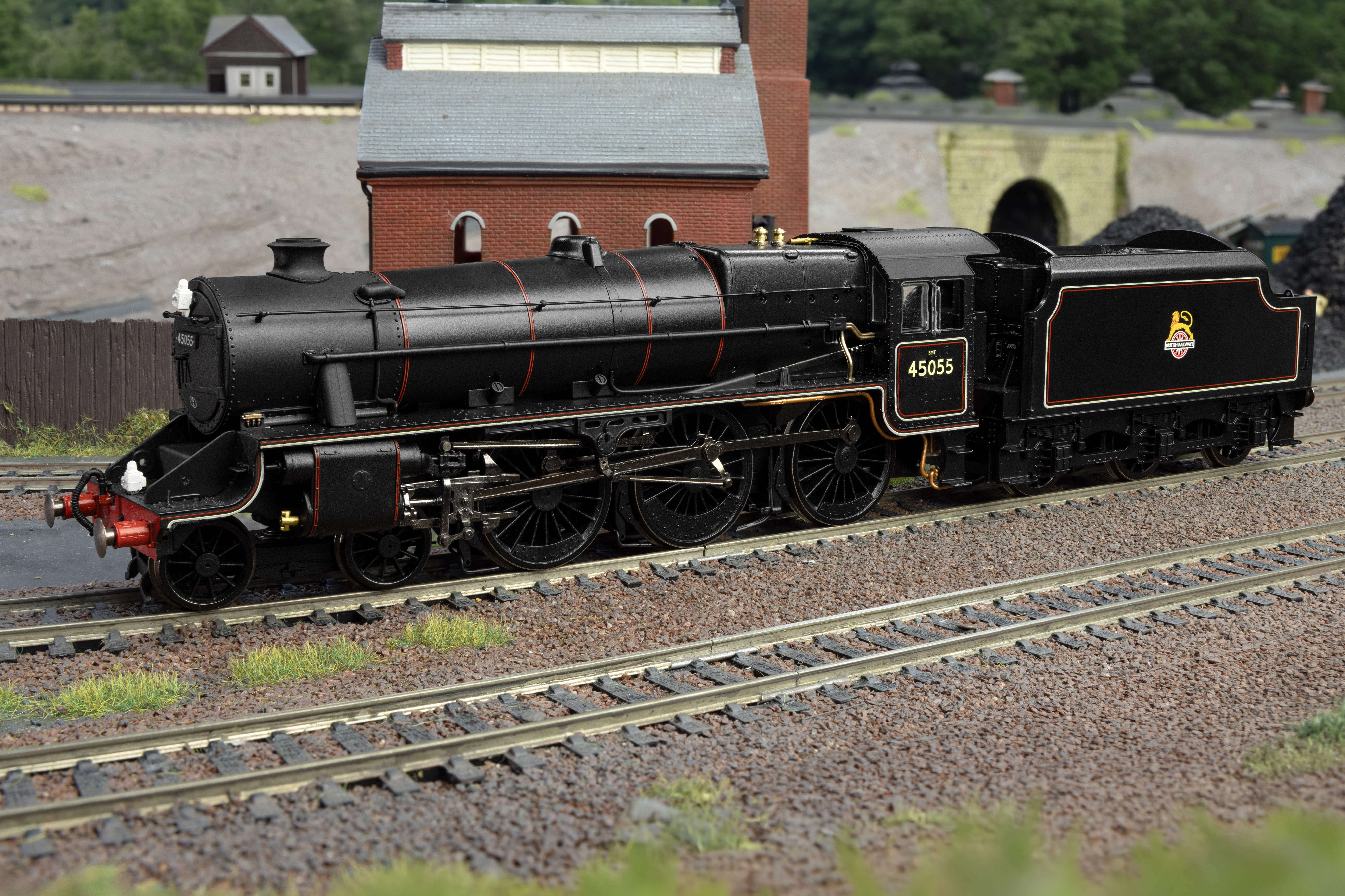
R30484BR - Stanier 5MT - 'Black 5' - 45055
'OO' GaugeReleased: 14/08/26DCC Ready (21 Pin)Era 4Completed in November 1935, this ‘Black Five’ was built at Vulcan Foundry, near Newton-le-Willows in Lancashire.
It spent most of its working career in north-west England and North Wales, though in 1966 it had brief allocations at West Hartlepool and York, before moving back to the Liverpool area and serving at Bank Hall and then Aintree. It almost lasted to the end of steam, withdrawal coming a month shy on 6th July 1968 from Lostock Hall, Preston, with scrapping the following February.
Our Price:
£224.99
£224.99