
Search results
 R3448
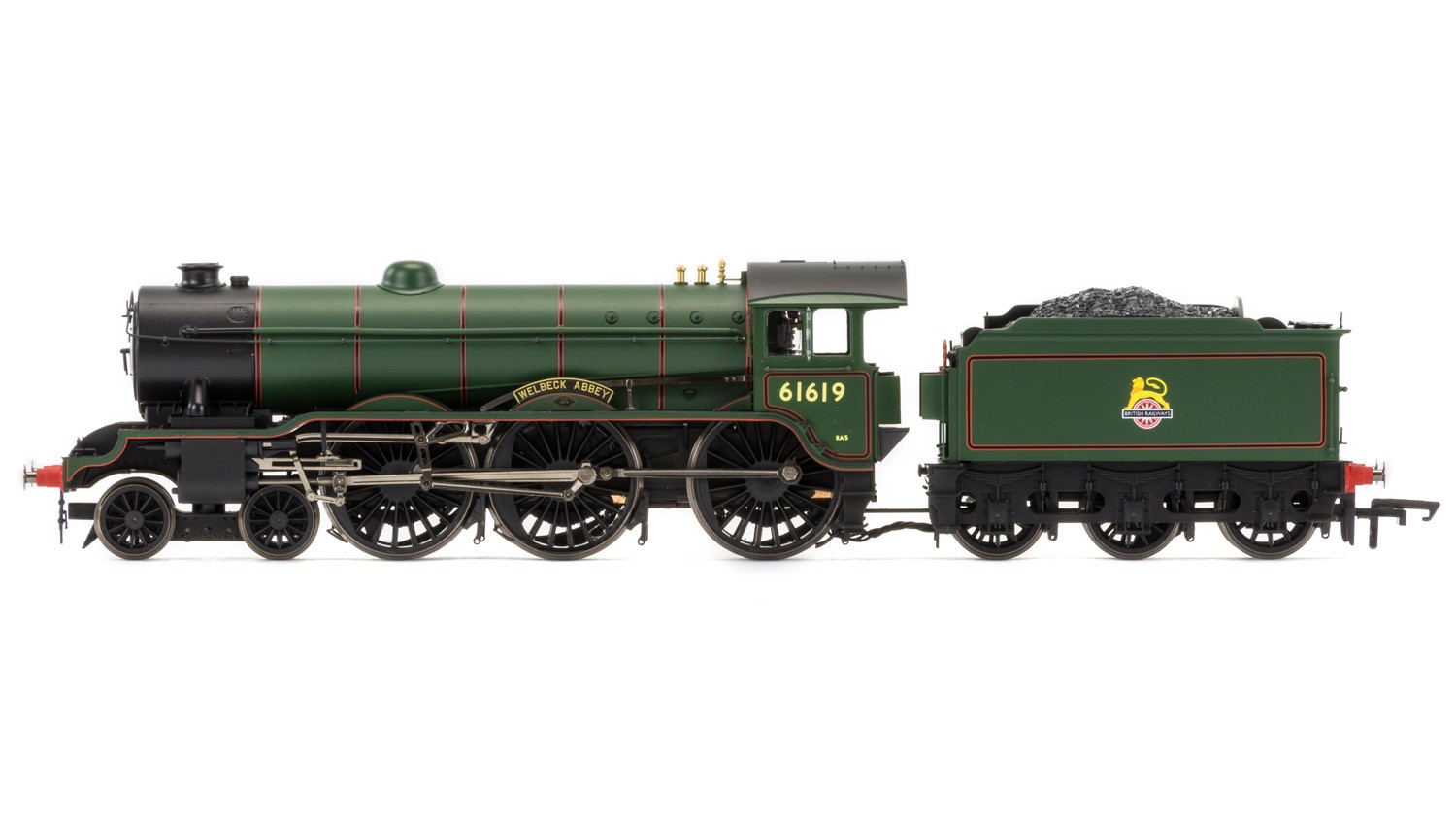
R3448BR 4-6-0 CLASS B17/2 'WELBECK ABBEY'
 'OO' Gauge
 Released: 17/10/16
 DCC Ready (8 Pin)
BR LINED GREEN CLASS B17/2 4-6-0 'WELBECK ABBEY' WITH EARLY CREST.
Our Price: £139.99
Bargain Price:
£120.00
£120.00
 32-611
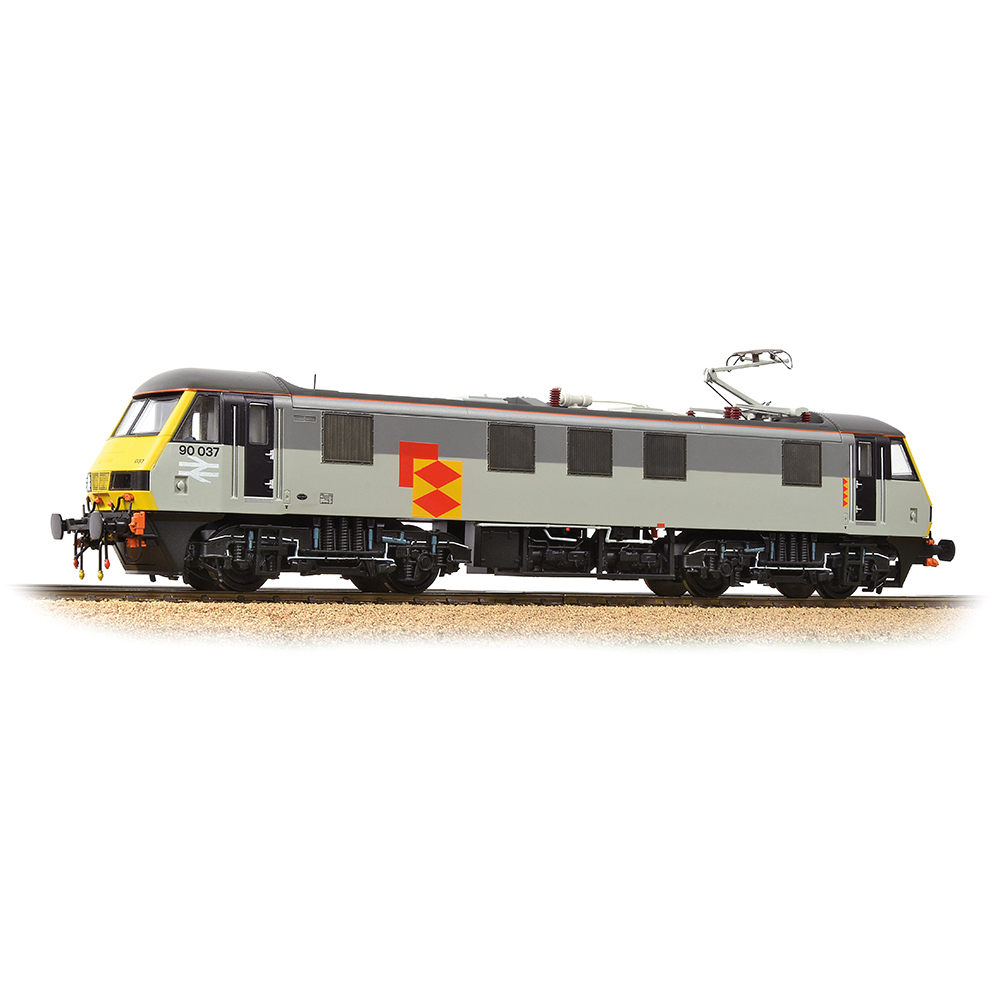
BR RAILFREIGHT DISTRIBUTION SECTOR CLASS 90
'OO' GaugeReleased: 22/05/19DCC Ready (21 Pin)THIS LOCO REQUIRES A BACHMANN 36-569 21 PIN MTC DECODER.USING A STANDARD 21 PIN DECODER WILL DAMAGE THE SERVO MOTOR AND INVALIDATE YOUR WARRANTY.
Our Price: £152.95
Bargain Price:
£134.95
£134.95
32-755AARRIVA TRAINS WALES CLASS 57 '57314'
'OO' GaugeReleased: 03/02/21DCC Ready (21 Pin) Era 9
Era 9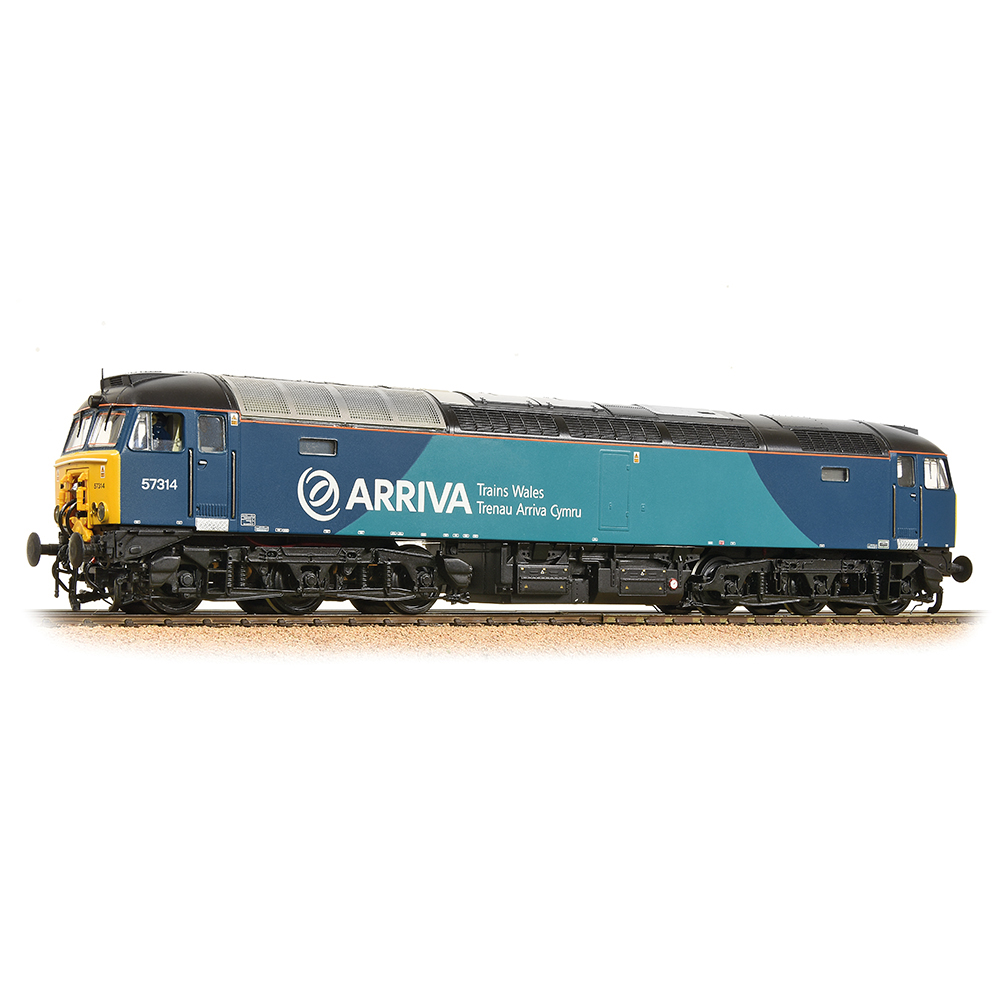
Our Price: £157.20
Bargain Price:
£138.70
£138.70
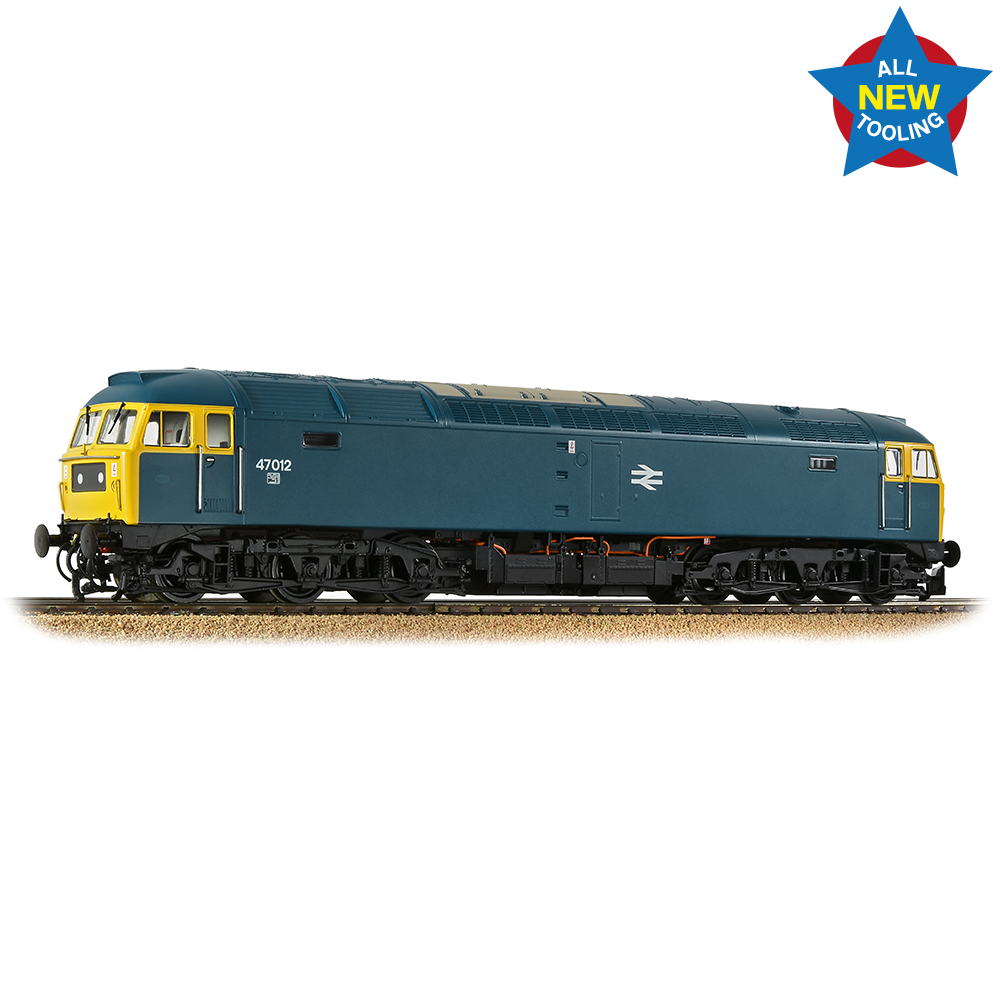
35-411Class 47/0 47012 BR Blue
'OO' GaugeReleased: 13/12/21DCC Ready (PluX22)Era 7CLASS 47 HISTORY
Towards the end of the 1950s, British Railways began planning a new fleet of diesel locomotives and after investigating several prototypes, BR decided to place an order with Brush Engineering for 20 locomotives during February 1961. The resulting design became the iconic Brush Type 4 Diesel locomotive, a practical, versatile design with a very distinctive cab. Powered with a Sulzer engine and initially rated at 2,750hp, the locomotive could achieve a top speed of 75mph with a tractive effort of 55,000lb. Building commenced in January 1962 and the first locomotive No. D1500 appeared in late September of the same year with test runs on the London Midland Region and Western Region. The design was a success and BR went on to order a total of 512 with continuous production through to early 1967, forming the largest single class of main-line diesel locomotives in the UK.
During this time and subsequent years, several variations appeared with an increase in speed and tractive effort to 95mph and 62,000lb respectively. Originally fitted with four character train reporting head-codes, these changed to marker lights, with the addition of high intensity lights and roof aerials in the late 1980s. Other variations involved the fitting of different types of steam heating boiler for early BR coaching stock, later replaced with electric train heating for use with modern rolling stock. The numbering system started with four figures but changed to five with the introduction of the TOPS coding system which saw the locomotives classified as Class 47 Diesels with variations such as 47/0, 47/2, 47/3, 47/4 and 47/7. By the end of the 1990s, half of the Class 47 fleet had been withdrawn or scrapped, 33 have been converted into Class 57 locomotives and several have been preserved, including the original No. D1500, now numbered 47401.
Our Price: £203.95
Bargain Price:
£179.95
£179.95
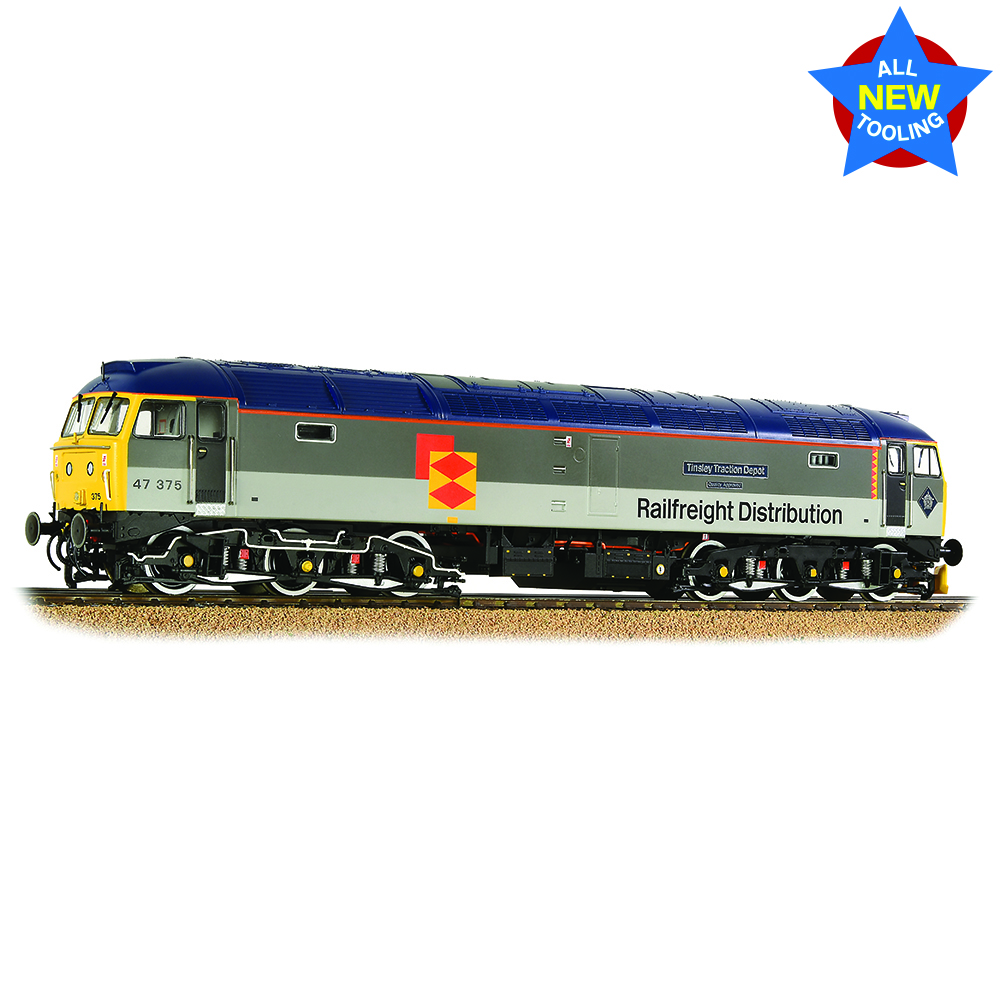
35-419Class 47/3 47375 'Tinsley Traction Depot' BR RF Distribution European
'OO' GaugeReleased: 13/12/21DCC Ready (PluX22)Era 8CLASS 47 HISTORY
Towards the end of the 1950s, British Railways began planning a new fleet of diesel locomotives and after investigating several prototypes, BR decided to place an order with Brush Engineering for 20 locomotives during February 1961. The resulting design became the iconic Brush Type 4 Diesel locomotive, a practical, versatile design with a very distinctive cab. Powered with a Sulzer engine and initially rated at 2,750hp, the locomotive could achieve a top speed of 75mph with a tractive effort of 55,000lb. Building commenced in January 1962 and the first locomotive No. D1500 appeared in late September of the same year with test runs on the London Midland Region and Western Region. The design was a success and BR went on to order a total of 512 with continuous production through to early 1967, forming the largest single class of main-line diesel locomotives in the UK.
During this time and subsequent years, several variations appeared with an increase in speed and tractive effort to 95mph and 62,000lb respectively. Originally fitted with four character train reporting head-codes, these changed to marker lights, with the addition of high intensity lights and roof aerials in the late 1980s. Other variations involved the fitting of different types of steam heating boiler for early BR coaching stock, later replaced with electric train heating for use with modern rolling stock. The numbering system started with four figures but changed to five with the introduction of the TOPS coding system which saw the locomotives classified as Class 47 Diesels with variations such as 47/0, 47/2, 47/3, 47/4 and 47/7. By the end of the 1990s, half of the Class 47 fleet had been withdrawn or scrapped, 33 have been converted into Class 57 locomotives and several have been preserved, including the original No. D1500, now numbered 47401.
Our Price: £203.95
Bargain Price:
£179.95
£179.95
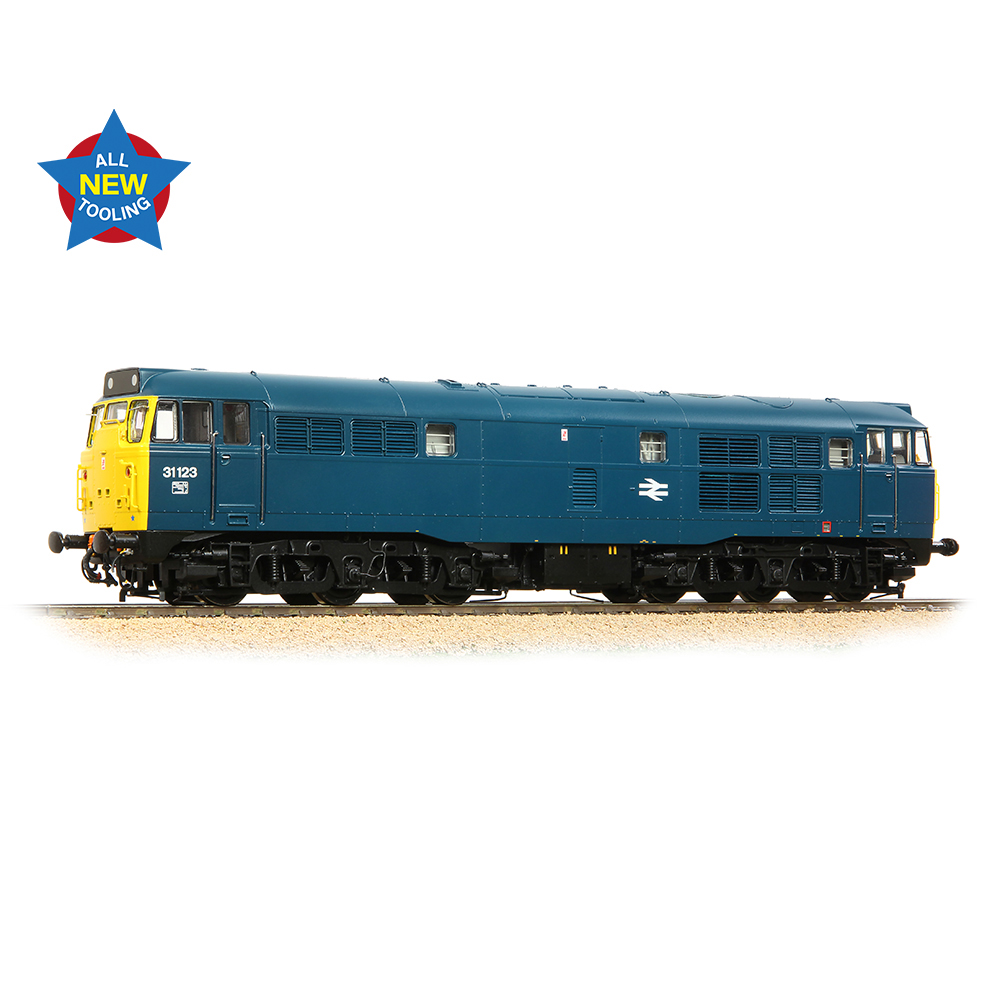
35-805Class 31/1 31123 BR Blue
'OO' GaugeReleased: 21/08/24DCC Ready (PluX22)Era 8BACHMANN BRANCHLINE CLASS 30/31 SPECIFICATION
MECHANISM:
Five pole, twin shaft motor with two flywheels providing drive to both bogies
All axle drive
Electrical pickup from all outer wheels on each bogie
Separate metal bearings fitted to each axle
Diecast metal chassis block and bogie towers
Diecast metal gearboxes, with gearing arranged for prototypical running speeds and haulage capabilities
5mm (OO gauge) wheels to NEM310 & NEM311 standards with authentic profile and detailing
Detachable coupling pockets to NEM362 standards fitted to each bogie
Our Price: £169.95
Bargain Price:
£149.95
£149.95
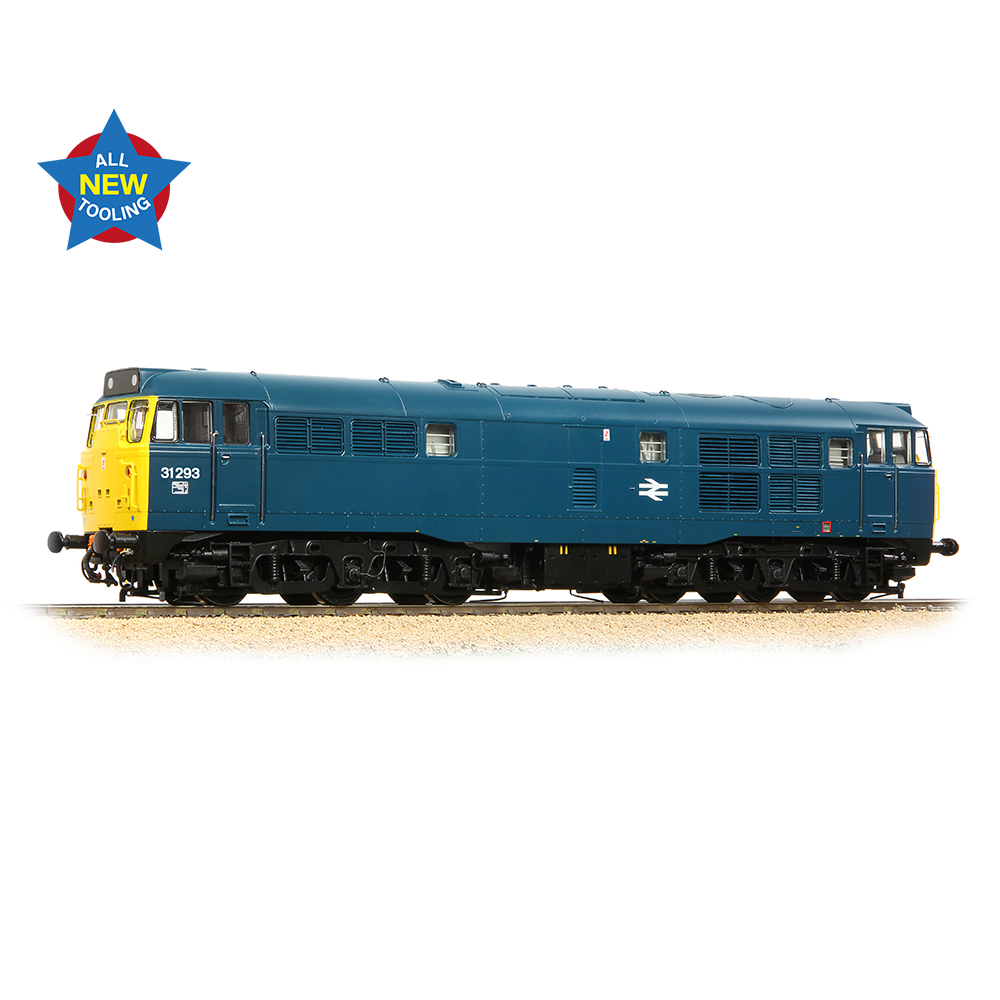
35-805AClass 31/1 31293 BR Blue
'OO' GaugeReleased: 21/08/24DCC Ready (PluX22)Era 8The BR Class 30 and Class 31 Diesel Locomotives, originally known as the Brush Type 2s, were built by Brush Traction from 1957-1962, with a total of 263 locomotives constructed. The first locomotive entered service in November 1957 and the design was one of the Pilot Scheme locomotives ordered by British Railways to replace steam traction. The Class was originally allocated to the Eastern Region, but gradually became common on both the Western and London Midland regions too.
Originally built with Mirrlees engines, these proved unsuccessful and in 1964 an English Electric 12SVT engine was fitted to one example for trails. The trials proved successful and between 1965 and 1969 the entire class was fitted with English Electric engines. Two TOPS classifications were used to distinguish between the two engine types, with the Mirrelees engine locomotives denoted Class 30s, whilst the English Electric examples became Class 31s.
The Class 31/1s were the standard locomotives, distinguished from the first small batch of locos – the 31/0s – which had Red Circle multiple-working control equipment, a non-standard feature that led to them being withdrawn relatively early in the late-1970s. The 31/1s were fitted with Blue Star multiple-working equipment, as found on many other BR classes, and all had steam heating boilers from new, making them ideal for hauling passenger services. The Class 31/1s could be found on a variety of secondary and relief passenger duties as well as parcels and freight traffic. Commonly used in East Anglia, with allocations at Stratford and March depots, they were also found throughout the Eastern Region of BR with Finsbury Park sporting a large allocation, along with the depots at Tinsley, Immingham and Thornaby. Examples were also allocated to Bristol Bath Road and Old Oak Common on the Western Region, where they could be found working passenger trains as far west as Barnstaple and Paignton. In the early 1980s, Healey Mills and Bescot on the Midland Region also gained an allocation as replacements for Class 25s.
During the 1970s some Class 31s were fitted with Electric Train Heating (ETH) and these were reclassified as 31/4s to denote this feature. The 1980s would see BR undertake a programme of refurbishment for much of the fleet, this included the fitting of ETH to more locomotives, but refurbishment was not reserved exclusively for the 31/4s, Class 31/1s were also refurbished without receiving ETH equipment. During refurbishment bufferbeam cowlings were removed along with the bodyside band, headcode boxes were plated over and fitted with two marker lights, and any remaining disc headcodes were removed. Where steam heat boilers remained, these were removed and a concrete block added instead to maintain the weight balance.
As passenger work dried up, many of the 31/4s were displaced and found themselves allocated to the departmental sector. In 1990, to reduce maintenance costs and prevent their ETH-fitted locos being borrowed for passenger work when extra traction was needed, the departmental sector isolated the ETH and removed the jumper cables from some of its 31/4s, resulting in these locos being reclassified as 31/5s. There were also two locomotives classified as 31/6, these had through ETH wiring fitted allowing them to work double-headed with an ETH-fitted loco.
The first withdrawal came in 1975 following accident damage, but most survived until the 1990s when EWS took on 153 examples from BR’s Transrail and Mainline freight divisions, although EWS spent little time running down its inherited fleet. Other operators however kept Class 31s active on the mainline with operations only now dwindling out. The Class has also been popular with the preservation movement, with more than 25 examples now preserved.
Our Price: £169.95
Bargain Price:
£149.95
£149.95
Prev | Next