
Search results
 35-411B
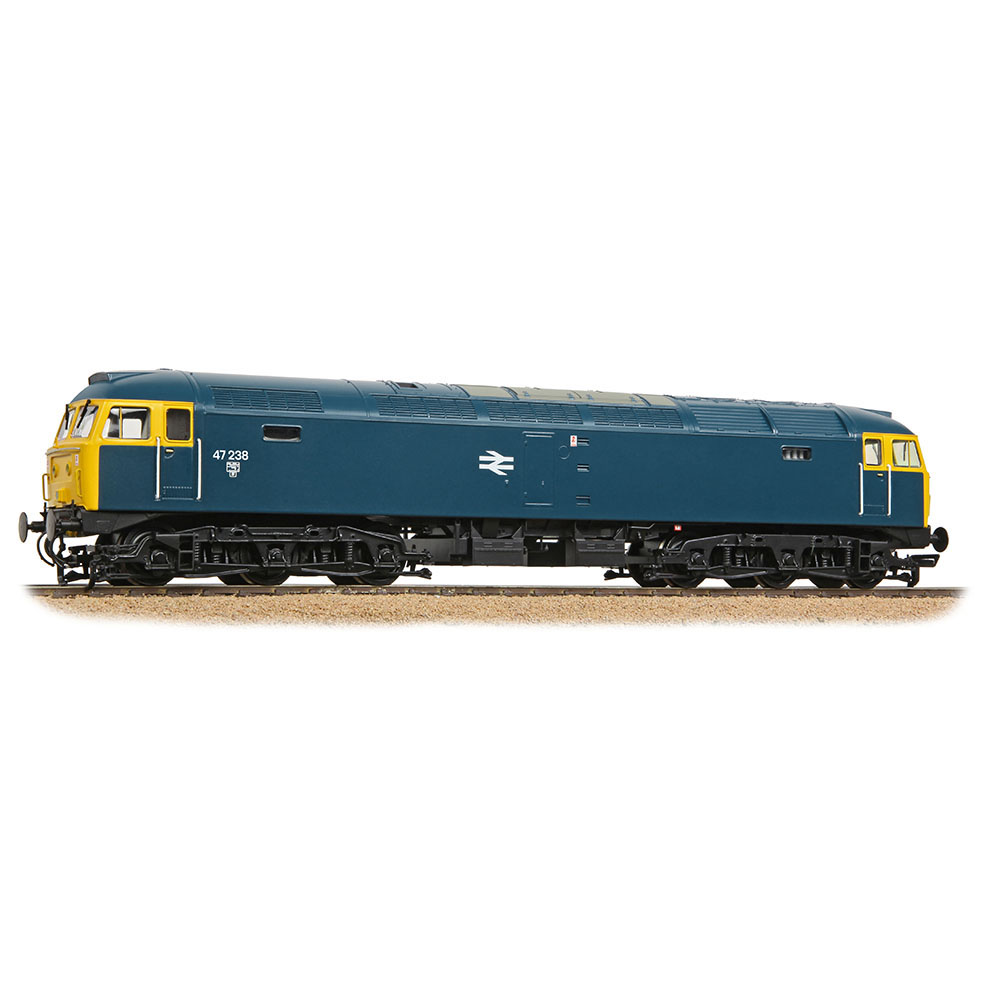
Class 47/0 47238 BR Blue
 'OO' Gauge
 Released: 04/06/26
 DCC Ready (PluX22)
 Era 8
Era 8Towards the end of the 1950s, British Railways began planning a new fleet of diesel locomotives and after investigating several prototypes, BR decided to place an order with Brush Engineering for 20 locomotives during February 1961. The resulting design became the iconic Brush Type 4 Diesel locomotive, a practical, versatile design with a very distinctive cab. Powered with a Sulzer engine and initially rated at 2,750hp, the locomotive could achieve a top speed of 75mph with a tractive effort of 55,000lb. Building commenced in January 1962 and the first locomotive No. D1500 appeared in late September of the same year with test runs on the London Midland Region and Western Region. The design was a success and BR went on to order a total of 512 with continuous production through to early 1967, forming the largest single class of main-line diesel locomotives in the UK.
Our Price:
£203.95
£203.95
 35-411BSF
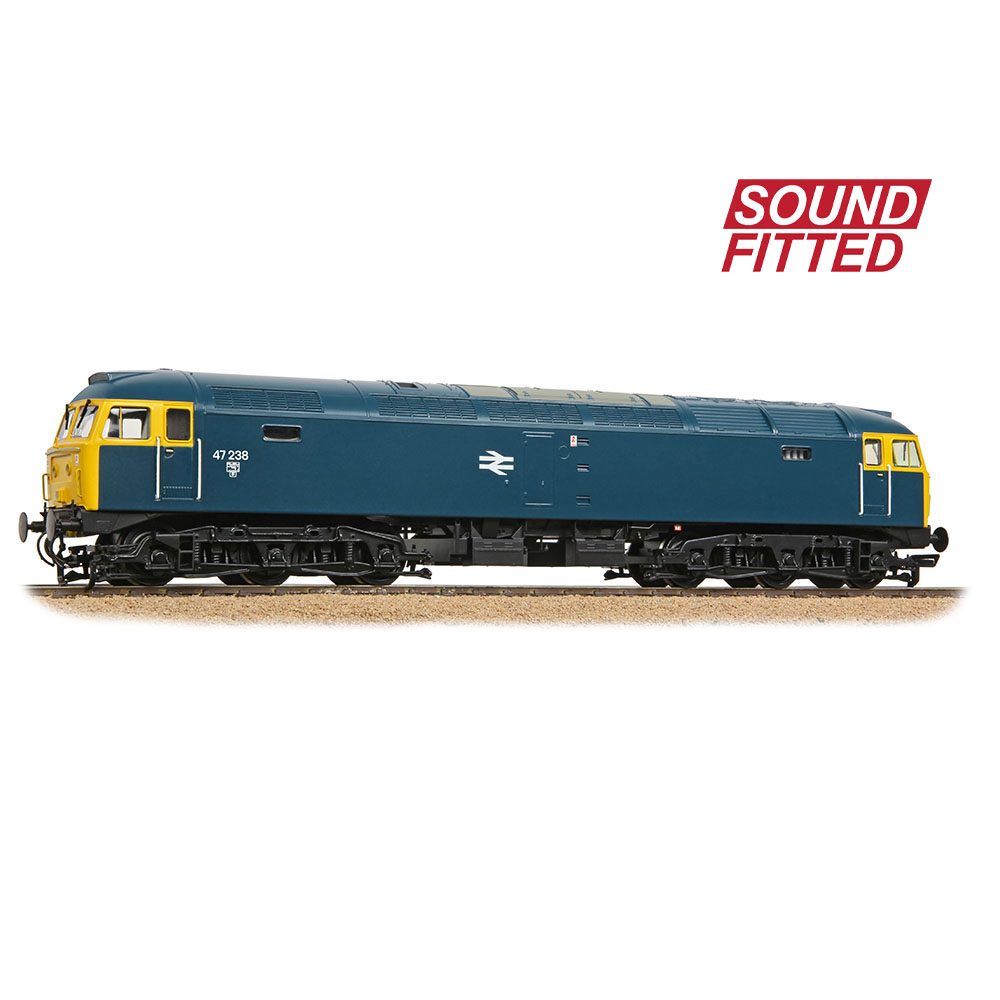
Class 47/0 47238 BR Blue With DCC Sound
'OO' GaugeReleased: 04/06/26DCC FittedDCC SoundEra 8Towards the end of the 1950s, British Railways began planning a new fleet of diesel locomotives and after investigating several prototypes, BR decided to place an order with Brush Engineering for 20 locomotives during February 1961. The resulting design became the iconic Brush Type 4 Diesel locomotive, a practical, versatile design with a very distinctive cab. Powered with a Sulzer engine and initially rated at 2,750hp, the locomotive could achieve a top speed of 75mph with a tractive effort of 55,000lb. Building commenced in January 1962 and the first locomotive No. D1500 appeared in late September of the same year with test runs on the London Midland Region and Western Region. The design was a success and BR went on to order a total of 512 with continuous production through to early 1967, forming the largest single class of main-line diesel locomotives in the UK.
Our Price:
£301.70
£301.70
 R30397
BR (Late) - Class J52 - '68846'
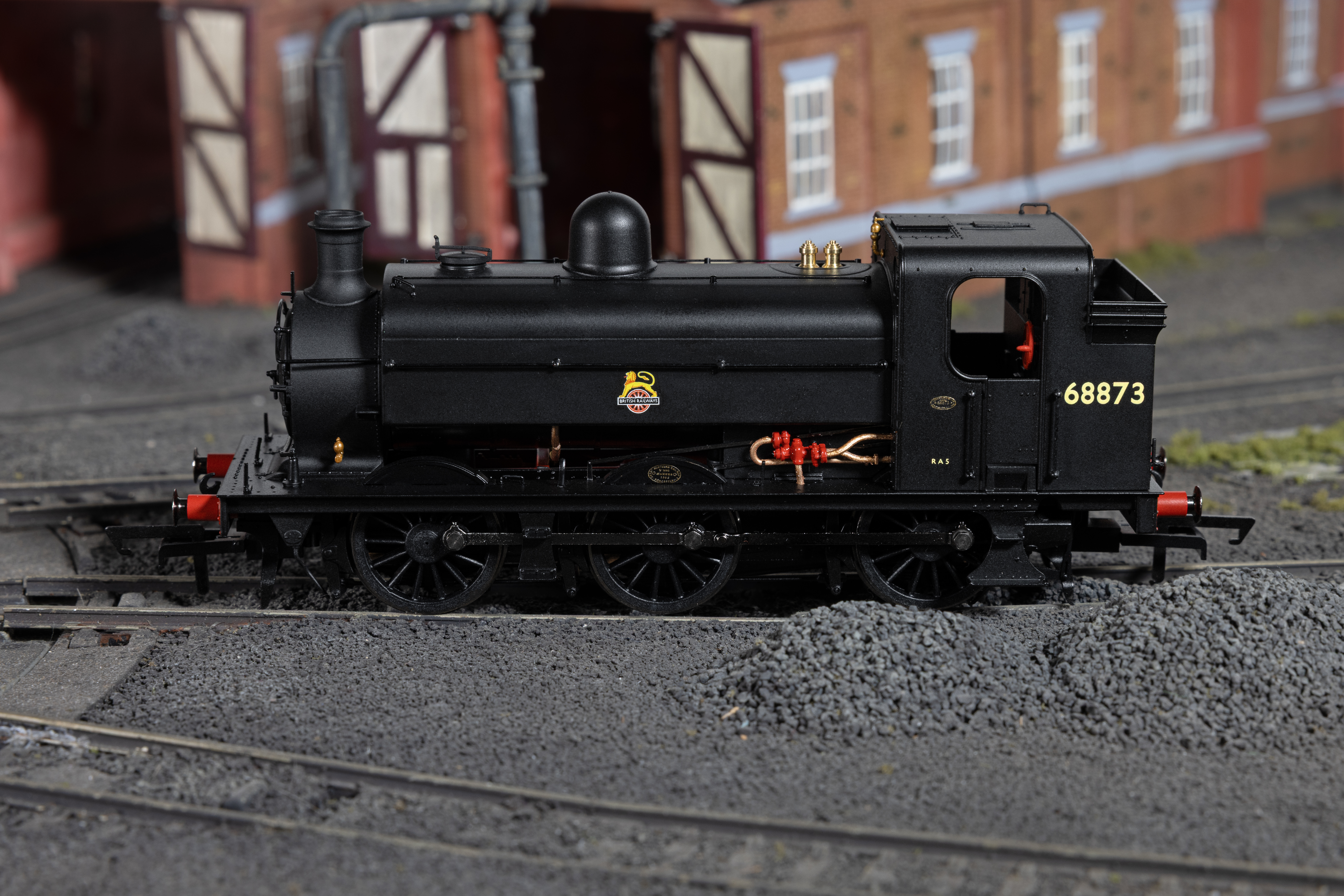
'OO' GaugeReleased: 18/06/26DCC Ready (21 Pin)Era 4This locomotive entered service as one of Henry Ivatt’s ‘J13’ Class as No. 1247, having been built under contract by Sharp, Stewart in 1899. It became LNER ‘J52’ 4247 at the Grouping in 1923, and later 8846 under the LNER’s 1946 renumbering scheme.
It entered BR service as 68846 and was withdrawn from King’s Cross ‘Top Shed’ in May 1959, at which point it became the first preserved locomotive to be bought directly from BR when it was acquired by Captain W.G. Smith. It is now part of the National Collection and restored as GNR 1247.
Our Price:
£157.49
£157.49
R30400Hornby Dublo: BR (Early) - Princess Coronation - 46230 'Duchess of Buccleuch'
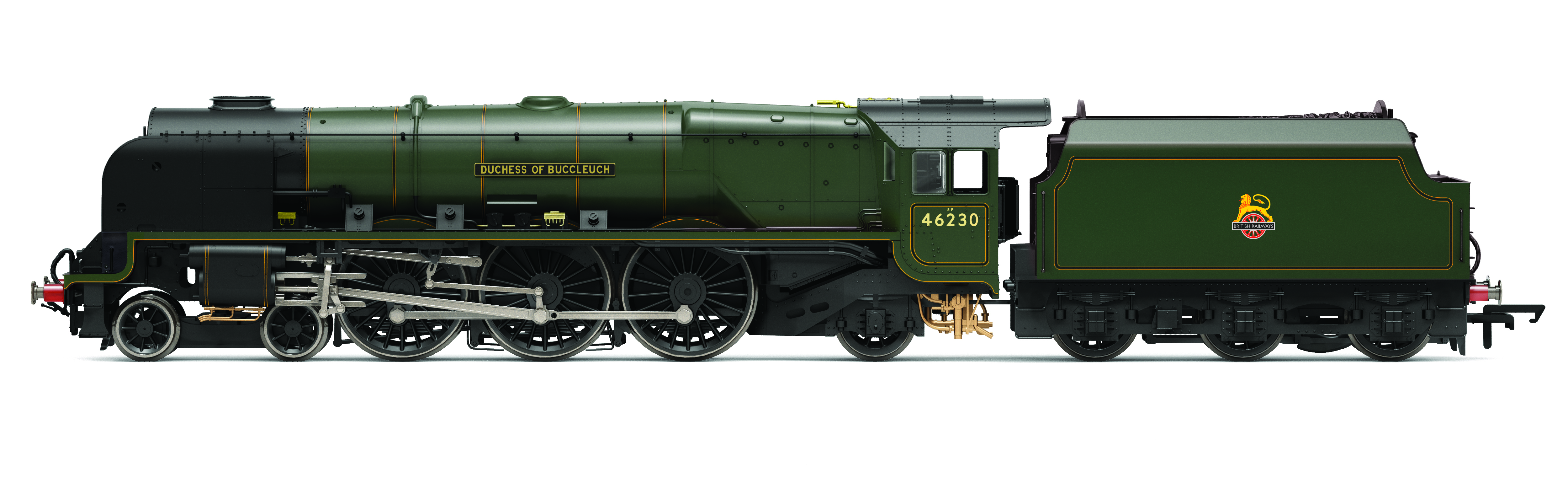
'OO' GaugeReleased: 18/06/26DCC Ready (21 Pin)Era 4Also known as the ‘Duchess’ Class, Stanier’s ‘Princess Coronations’ were among the biggest and most powerful express passenger locomotives in Britain.
Thirty-five were built at Crewe Works between 1937 and 1948, many having streamlined casing. Ten were set aside for hauling the prestigious ‘Coronation Scot’ between London Euston and Glasgow. No. 46230 wasn’t one of those, but it was the first of the third batch of locomotives, which consisted of five non-streamlined versions, and went new to Camden in June 1938 as LMS No. 6230.
At Nationalisation in 1948, the locomotive became BR No. 46230 and was painted in lined Brunswick green as depicted by the model. At the time, the locomotive was based at Polmadie shed in Glasgow, from where it was withdrawn in December 1963.
Our Price:
£314.99
£314.99
Prev | Next